MF:C13H20N2O
MW:220.31
EINECS:211-957-0
Synonymes:astra1512 ;astra1515 ;Citanest;L 67;l67 ;n-(2-méthylphényle)-2-(propylamino)-propanamid ;o-Methyl-2-propylaminopropionanilide;o-Methyl-alpha-propylaminopropionanilide
Usage
Prilocaine topical may also be used for other purposes not listed in this medication guide.
For a variety of surgical epidural block and infiltration anesthesia Prilocaine topical is a local anesthetic (médicament anesthésiant).It works by blocking nerve signals in your body.Prilocaine topical is used to numb the skin, ou les surfaces du pénis ou du vagin, en préparation d'une intervention médicale ou pour atténuer la douleur liée à l'insertion d'un instrument médical tel qu'un tube ou un spéculum.
La description
Prilocaine is a local anesthetic of the amino amide type first prepared by Claes Tegner and Nils Lö Fgren.In its injectable form (trade name Citanest), it is often used in dentistry.It is also often combined with lidocaine as a preparation for dermal anesthesia (lidocaïne/prilocaïne ou EMLA), for treatment of conditions like paresthesia.As it has low cardiac toxicity, il est couramment utilisé pour l'anesthésie régionale intraveineuse (IVRA).
Applications
La prilocaïne topique est un anesthésique local (médicament anesthésiant).Cela fonctionne en bloquant les signaux nerveux dans votre corps. La prilocaïne topique est utilisée pour engourdir la peau, ou les surfaces du pénis ou du vagin, en préparation d'une intervention médicale ou pour atténuer la douleur liée à l'insertion d'un instrument médical tel qu'un tube ou un spéculum.
La procaïne est un anesthésique local du groupe des esters aminés.. Il est principalement utilisé pour réduire la douleur liée à l'injection intramusculaire de pénicilline., et il est également utilisé en dentisterie. En raison de l'omniprésence du nom commercial Novocain, in some regions procaine is referred to generically It acts mainly by being a sodium channel blocker.Today it is used therapeutically in some countries due to its sympatholytic, anti-inflammatoire, amélioration de la perfusion, and mood enhancing effects.Procaine was first synthesized in 1905,shortly after amylocaine.It was created by the German chemist Alfred Einhorn who gave the chemical the trade name , du latin nov- (c'est-à-dire nouveau) et -caïne, a common ending for alkaloids used as anesthetics.It was introduced into medical use by surgeon Heinrich Braun. Prior to the discovery of amylocaine and procaine, était l’anesthésique local le plus couramment utilisé. Einhorn souhaitait que sa nouvelle découverte soit utilisée pour les amputations, mais les chirurgiens préféraient l'anesthésie générale. Dentistes, toutefois, je l'ai trouvé très utile. Einhorn was displeased by this and spent many years touring
dental schools to advise them not to use it.
spécification
| Nom du produit |
Prilocaïne |
| Alias |
2-(propylamino)-o-propionotoluidide, xylonest |
| Essai (%) |
≥ 99.00 |
Odeur |
Caractéristiques |
| Couleur |
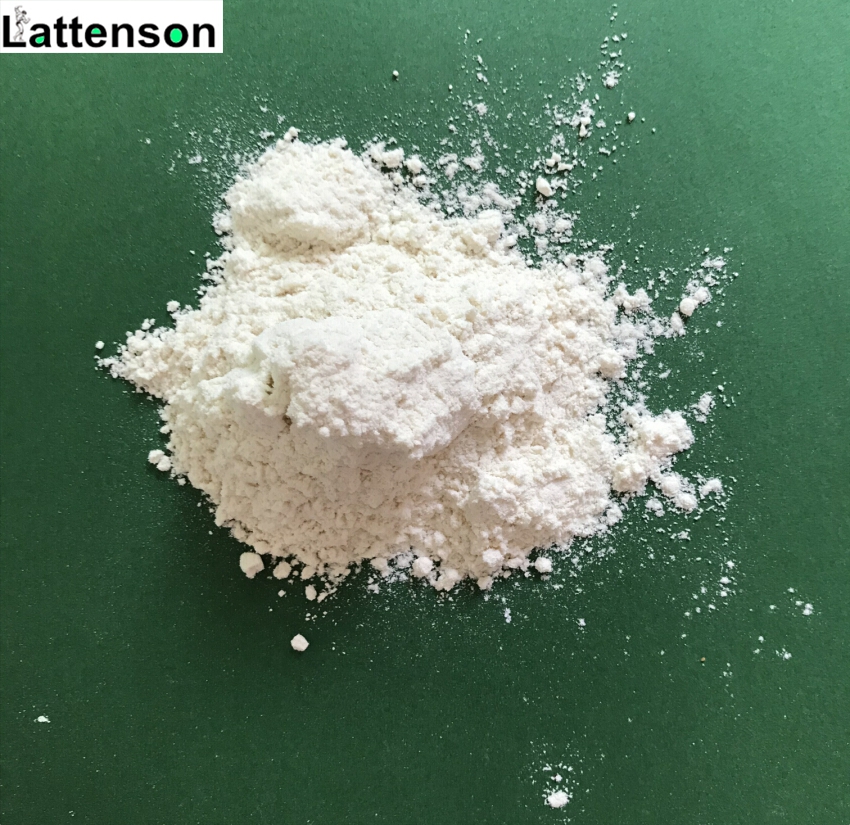
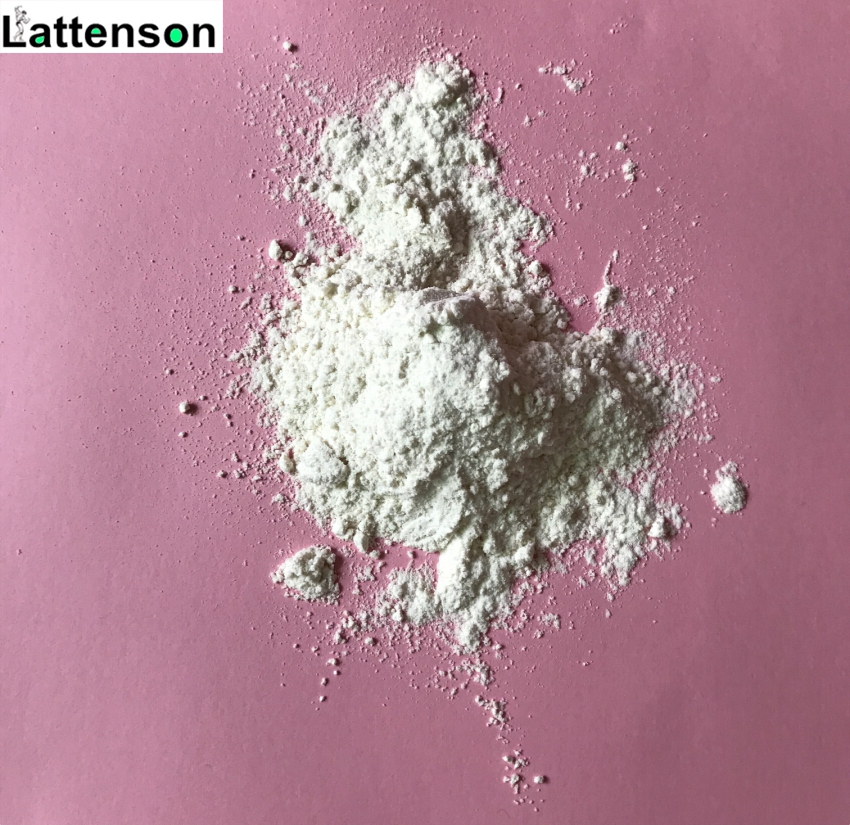
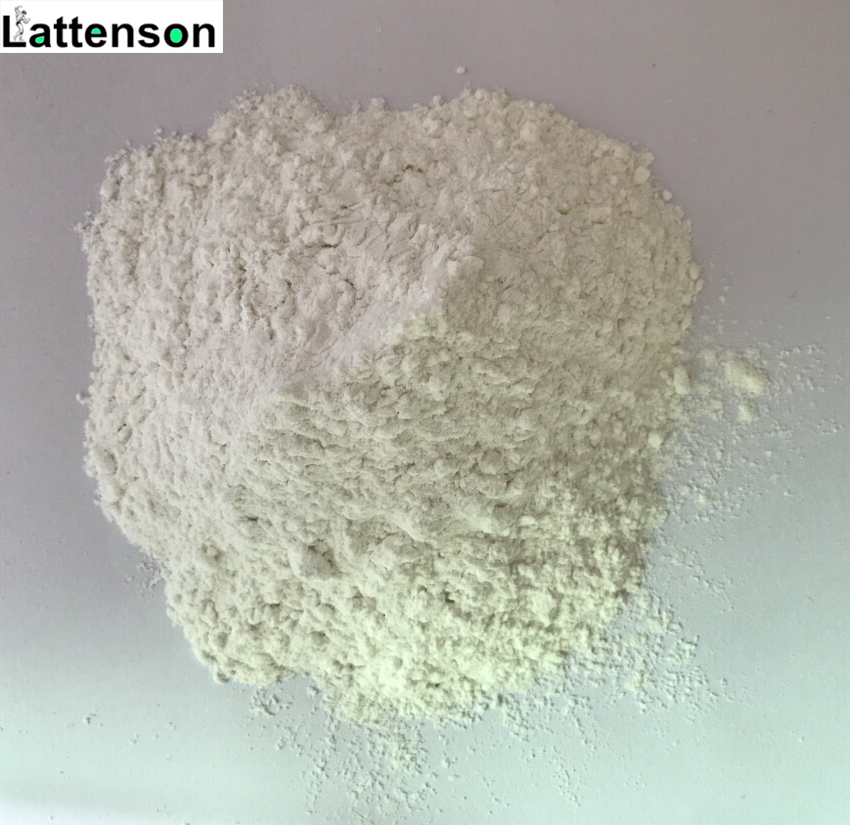
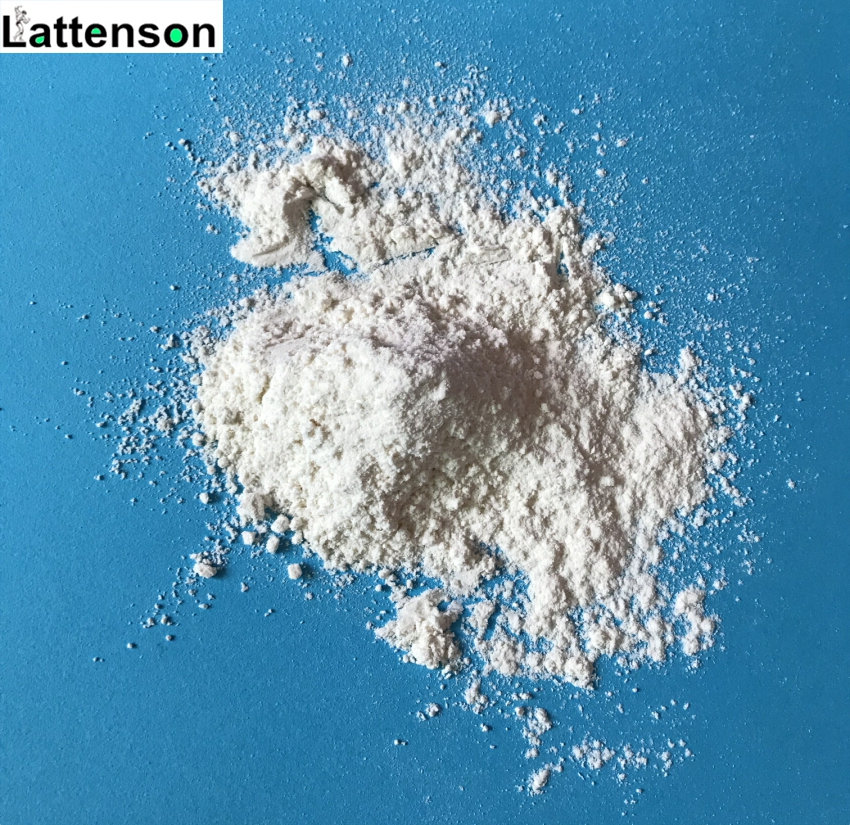
Poudre cristalline blanche |
Point de fusion |
/ |
| Formule moléculaire |
C13H20N2O |
Masse moléculaire |
220.31 |
| CAS no. |
721-50-6 |
Numéro EINECS. |
211-957-0 |
| Standard |
USP / BP |
| Fonctions principales |
Anesthésie locale. |
| Applications |
Domaines pharmaceutiques |
| Forfait |
Aluminum foil bag inside+ Carton box outside;1kg / sac,25kg/fût; |
| Durée de conservation |
36 mois |
| Espace de rangement |
Conserver dans des conteneurs scellés chez Cool & lieu sec. Éloignez-vous de la lumière, humidité, infestation de ravageur. |
Autre connexe
| Anti-douleurAnesthésique Anodyne |
| Nom |
CAS |
| Chlorhydrate de tétracaïne |
50-41-9 |
| Procaïne |
59-46-1 |
| Tétracaïne |
94-24-6 |
| Chlorhydrate de pramoxine |
637-58-1 |
| chlorhydrate de procaïne |
1951-5-8 |
| Lidocaïne |
137-58-6 |
| Chlorhydrate de dibucaïne |
1961-12-1 |
| Prilocaïne |
721-50-6 |
| Chlorhydrate de propitocaïne |
1786-81-8 |
| Chlorhydrate de proparacaïne |
5875-6-9 |
| Chlorhydrate de linocaïne |
6108-05-0 |
| Chlorhydrate d'articaïne |
23964-57-0 |
| Chlorhydrate de lévobupivacaïne |
27262-48-2 |
| Chlorhydrate de ropivacaïne |
132112-35-7 |
| Bupivacaïne |
2180-92-9 |
| Chlorhydrate de bupivacaïne |
14252-80-3 |






 Directeur commercial