MF:C13H20N2O
MW:220.31
EINECS:211-957-0
Synonyme:astra1512 ;astra1515 ;Citanest;L 67;l67 ;N-(2-Methylphenyl)-2-(Propylamino)-propanamid ;o-Methyl-2-propylaminopropionanilide;o-Methyl-alpha-propylaminopropionanilide
Verwendung
Prilocaine topical may also be used for other purposes not listed in this medication guide.
For a variety of surgical epidural block and infiltration anesthesia Prilocaine topical is a local anesthetic (betäubende Medikamente).It works by blocking nerve signals in your body.Prilocaine topical is used to numb the skin, oder Oberflächen des Penis oder der Vagina, zur Vorbereitung auf einen medizinischen Eingriff oder zur Linderung der Schmerzen beim Einführen eines medizinischen Instruments wie eines Schlauchs oder eines Spekulums.
Beschreibung
Prilocaine is a local anesthetic of the amino amide type first prepared by Claes Tegner and Nils Lö Fgren.In its injectable form (trade name Citanest), it is often used in dentistry.It is also often combined with lidocaine as a preparation for dermal anesthesia (Lidocain/Prilocain oder EMLA), for treatment of conditions like paresthesia.As it has low cardiac toxicity, Es wird häufig zur intravenösen Regionalanästhesie eingesetzt (IVRA).
Anwendungen
Prilocaine topisch ist ein Lokalanästhetikum (betäubende Medikamente).Es funktioniert, indem es Nervensignale in Ihrem Körper blockiert. Prilocain wird topisch zur Betäubung der Haut eingesetzt, oder Oberflächen des Penis oder der Vagina, zur Vorbereitung auf einen medizinischen Eingriff oder zur Linderung der Schmerzen beim Einführen eines medizinischen Instruments wie eines Schlauchs oder eines Spekulums.
Procain ist ein Lokalanästhetikum aus der Gruppe der Aminoester. Es wird hauptsächlich zur Schmerzlinderung bei der intramuskulären Injektion von Penicillin eingesetzt, und es wird auch in der Zahnheilkunde verwendet. Aufgrund der Allgegenwärtigkeit des Handelsnamens Novocain, in some regions procaine is referred to generically It acts mainly by being a sodium channel blocker.Today it is used therapeutically in some countries due to its sympatholytic, Antiphlogistikum, Durchblutungssteigerung, and mood enhancing effects.Procaine was first synthesized in 1905,shortly after amylocaine.It was created by the German chemist Alfred Einhorn who gave the chemical the trade name , aus dem lateinischen nov- (Bedeutung: neu) und -caine, a common ending for alkaloids used as anesthetics.It was introduced into medical use by surgeon Heinrich Braun. Prior to the discovery of amylocaine and procaine, war das am häufigsten verwendete Lokalanästhetikum. Einhorn wünschte, dass seine neue Entdeckung für Amputationen genutzt würde, aber die Chirurgen bevorzugten eine Vollnarkose. Zahnärzte, jedoch, fand es sehr nützlich. Einhorn was displeased by this and spent many years touring
dental schools to advise them not to use it.
Spezifikation
| Produktname |
Prilocain |
| Alias |
2-(Propylamino)-o-Propionotoluidid, xylonest |
| Assay (%) |
≥ 99.00 |
Geruch |
Merkmal |
| Farbe |
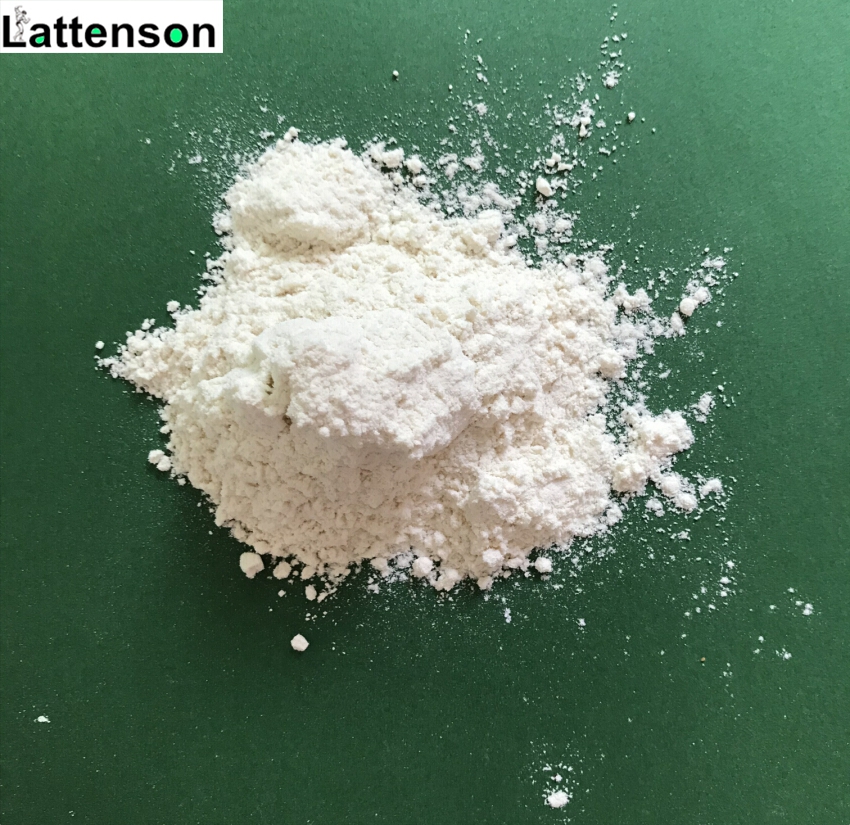
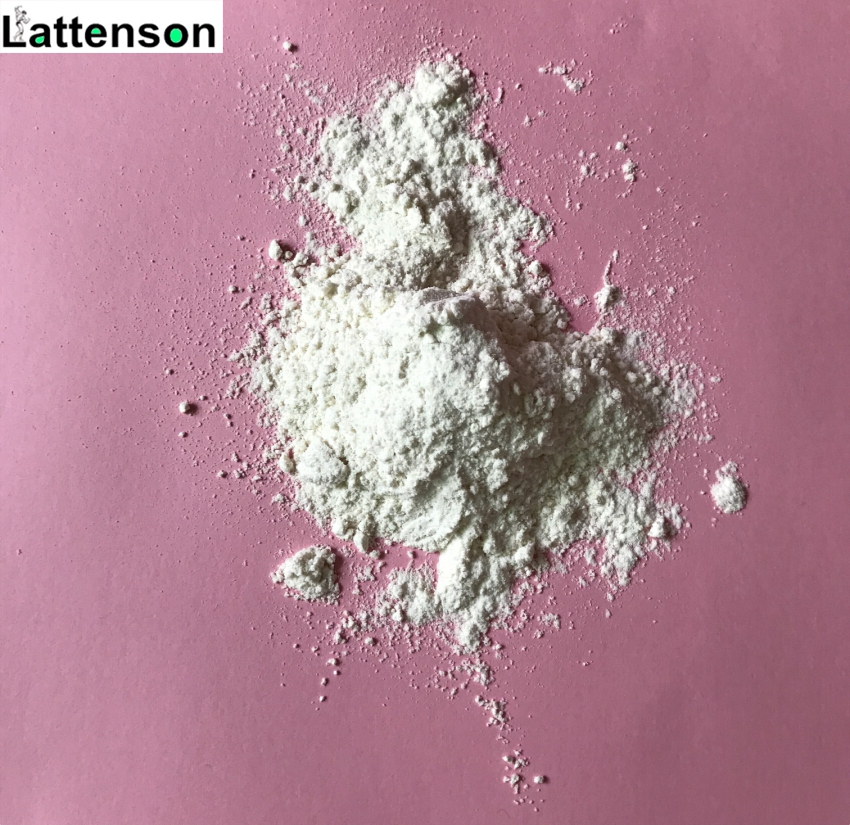
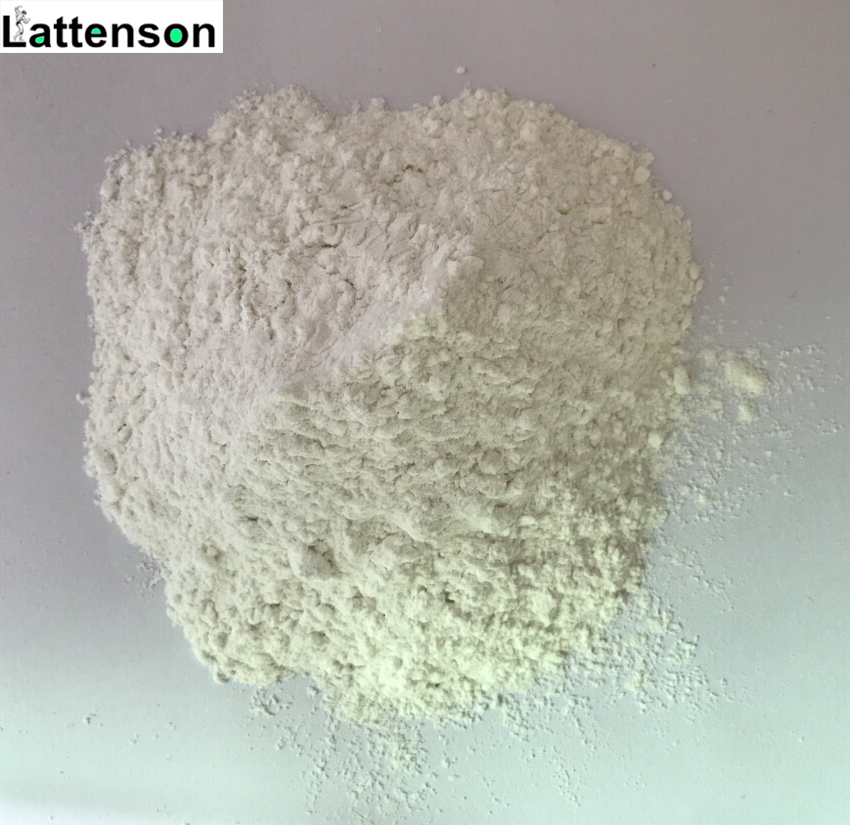
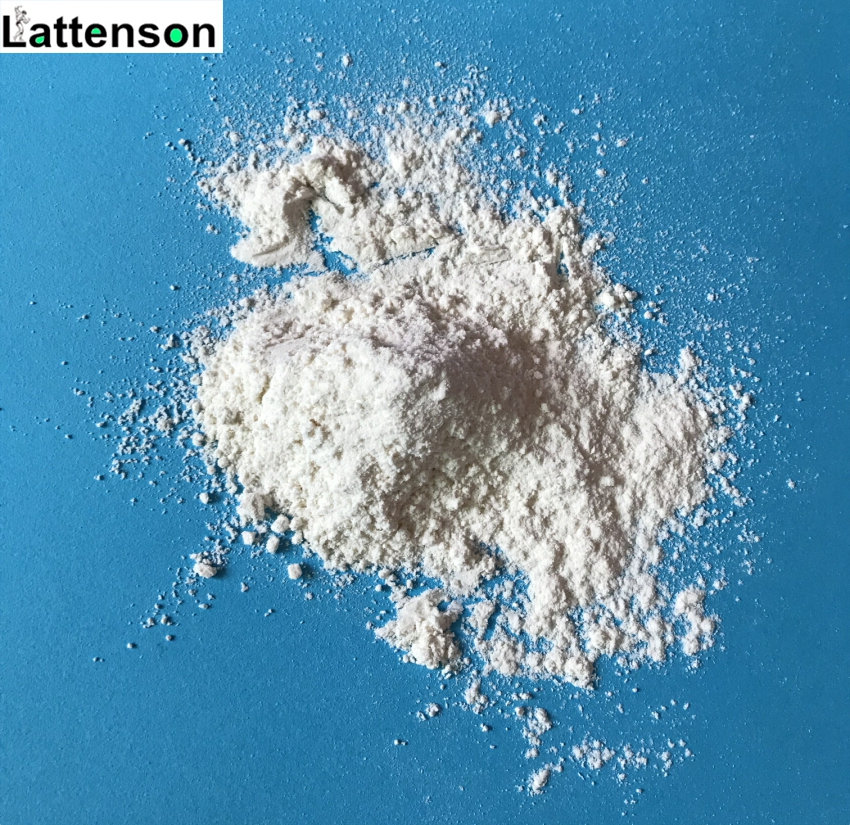
weißes kristallines Pulver |
Schmelzpunkt |
/ |
| Molekularformel |
C13H20N2O |
Molekulargewicht |
220.31 |
| Cas Nr. |
721-50-6 |
EINECS-Nr. |
211-957-0 |
| Standard |
USP / BP |
| Main Functions |
Lokale Betäubung. |
| Anwendungen |
Pharmazeutische Bereiche |
| Paket |
Aluminum foil bag inside+ Carton box outside;1kg/Beutel,25kg / Straße; |
| Haltbarkeit |
36 Monate |
| Lagerung |
In verschlossenen Behältern kühl lagern & trockener Platz. Von Licht fernhalten, Feuchtigkeit, Schädlingsbefall. |
Andere verwandte
| Schmerzlinderndes Anästhetikum Anodyne |
| Name |
FALL |
| Tetracainhydrochlorid |
50-41-9 |
| Procain |
59-46-1 |
| Tetracain |
94-24-6 |
| Pramoxinhydrochlorid |
637-58-1 |
| Procain HCl |
1951-5-8 |
| Lidocain |
137-58-6 |
| Dibucainhydrochlorid |
1961-12-1 |
| Prilocain |
721-50-6 |
| Propitocainhydrochlorid |
1786-81-8 |
| Proparacainhydrochlorid |
5875-6-9 |
| Linocainhydrochlorid |
6108-05-0 |
| Articainhydrochlorid |
23964-57-0 |
| Levobupivacainhydrochlorid |
27262-48-2 |
| Ropivacainhydrochlorid |
132112-35-7 |
| Bupivacain |
2180-92-9 |
| Bupivacainhydrochlorid |
14252-80-3 |






 Verkaufsleiter