Prilocaine HCL Description
Procaine HCL is a local anesthetic of amino amide prepared by Claes Tegner and NilsLöFgren. In seiner injizierbaren Form, it is usually used in dentistry. It is also often used in combination with lidocaine for skin anesthesia (Lidocain / propylamine or EMLA) for the treatment of paresthesia and other diseases. Due to low cardiac toxicity, it is usually used for intravenous anesthesia.
Bei manchen Patienten, metabolites of prilocaine may cause abnormal side effects of methemoglobinemia and can be treated with methylene blue.
Local anesthesia is a substance that causes sensory loss only in its application without affecting consciousness. Most local anesthetic structures have on the other side an amino ester or aminoamide group attached to a hydrophilic (secondary or tertiary amine) and hydrophobic group (aromatic compound). The ester can be hydrolyzed to the p-aminobenzoic acid in the plasma by cleavage of the cholinesterase. Amides are stable for long and more systematic distributions. Esters include Novocain, Nesacaine, Pontocain, Benzocaine and tetracaine. Amides include sicaine, cabbaine, Citanest, Marcaine, Duranest,
Procaine HCLusage
Praca is a local anesthetic of amino amide. Prilocain wird häufig in der Zahnheilkunde eingesetzt. Placain wird auch häufig in Kombination mit Lidocain zur Hautanästhesie eingesetzt (lidocaine or EMLA) for the treatment of paresthesia and other diseases.
Local anesthesia is a substance that causes sensory loss only in its application without affecting consciousness. Most local anesthetic structures have an amino ester or aminoamide group attached to a hydrophilic (secondary or tertiary amine).
The ester can be hydrolyzed into the plasma in the form of PARA-aminobenzoic acid by the enzyme base esterase. Amides are stable for long and more systematic distributions. Esters include prochlorocene, Novos, Nesacaine, Pontocain, Benzocain, Tetracain. Amides include sicaine, cabbaine, Citanest, Bouaine (Marcaine), Etidocaine (Duranest).
Prilocaine HCL wird bei Kindern angewendet
Da dies alters- und gewichtsbedingt ist, Es ist schwierig, die maximale Dosis eines Arzneimittels für Kinder zu empfehlen. Für Kinder mit normalem magerem Körpergewicht und normaler körperlicher Entwicklung für weniger als 10 Jahre, Die maximale Dosis kann durch Anwendung von Standardpräparaten für Kinderarzneimittel ermittelt werden (z.B, Clark-Regel). Zum Beispiel, nach der Clark-Regel, 5-jährige Kinder wiegen 50 Pfund, nach Clark-Regeln, Die Essigsäuredosis sollte nicht überschritten werden 150 bis 200 mg (6.6 auf 8,8 mg / kg bzw 3 bis 4 mg / Pfund Körpergewicht)
Echtheitszertifikat
| Produktname |
Propitocainhydrochlorid |
| Assay (%) |
≥ 99.00 |
Cas Nr. |
1786-81-8 |
| Flammpunkt: |
134.3 ° C |
Schmelzpunkt |
168-170 ° C |
| Dampfdruck |
2.05E-05mmHg bei 25 ° C |
Siedepunkt |
361.6 °C bei 760 mmHg |
| Trocknungsverlust |
≤1 % |
| Schmelzpunkt |
66-69 ° C |
| Sulfatasche |
≤0,1 % |
| Schwermetalle |
≤10ppm |
| Sulfat |
≤0,1 % |
| Chlorid |
≤35ppm |
| 2,6-Dimethylanilin |
≤100 ppm |
| Standard |
USP / BP |
| Hauptfunktionen |
Lokale Betäubung. |
| White Powder Muscle Building Steroide Epiandrosteron |
Pharmazeutische Rohstoffe |
| Paket |
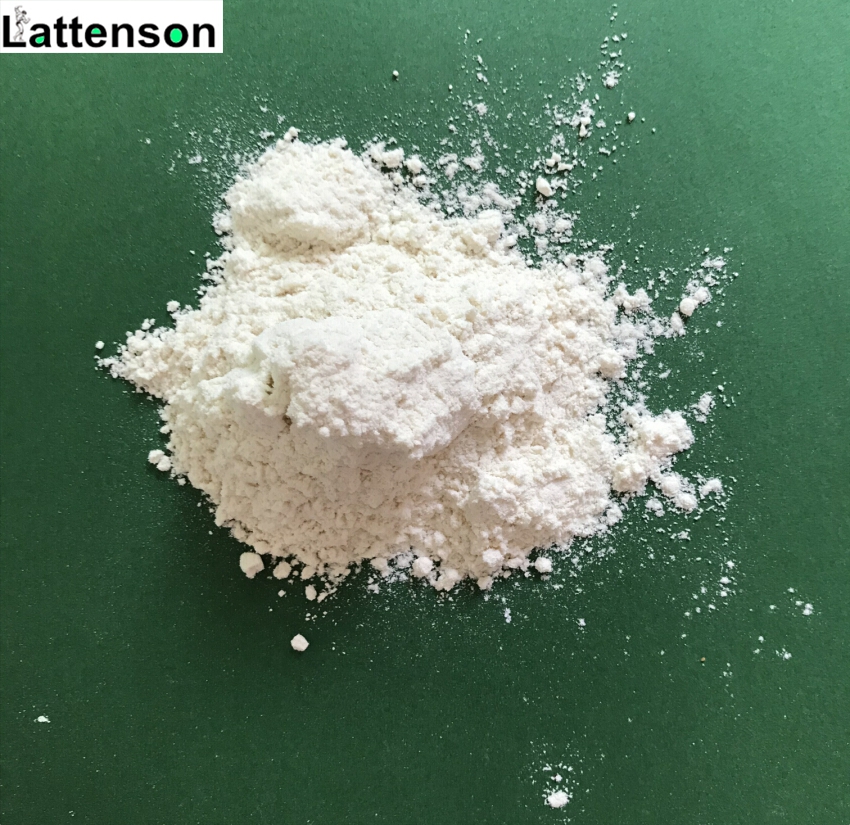
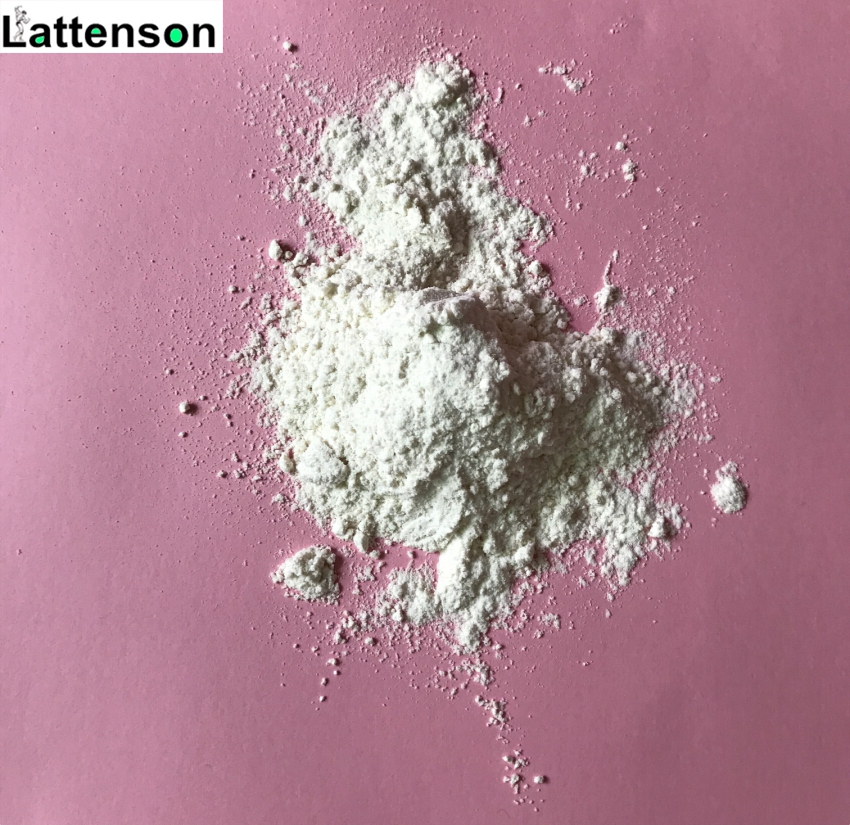
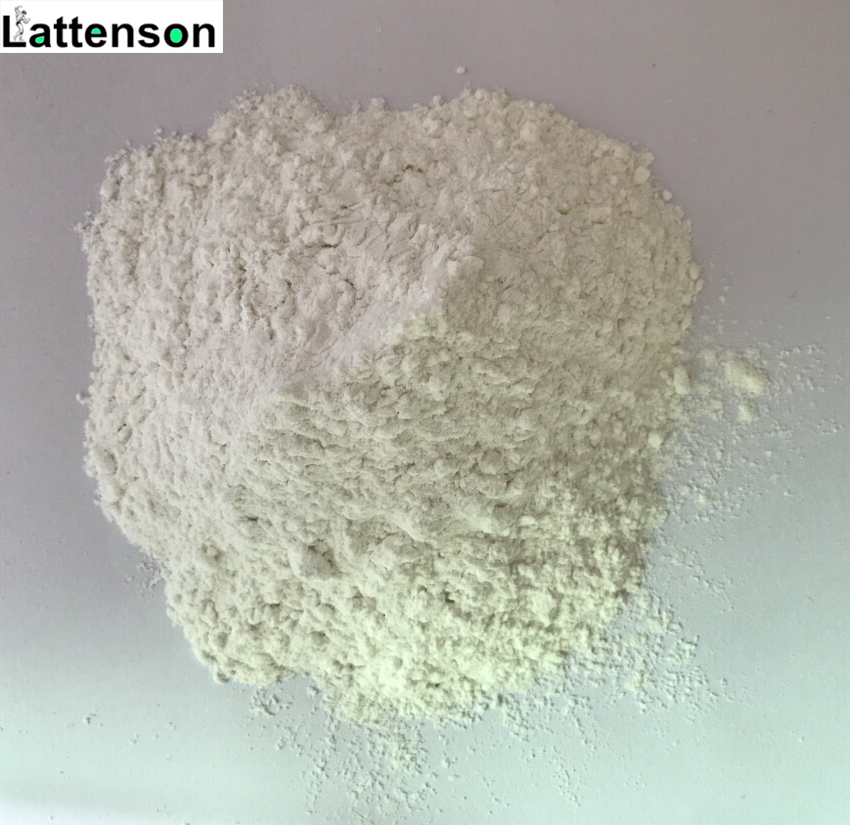
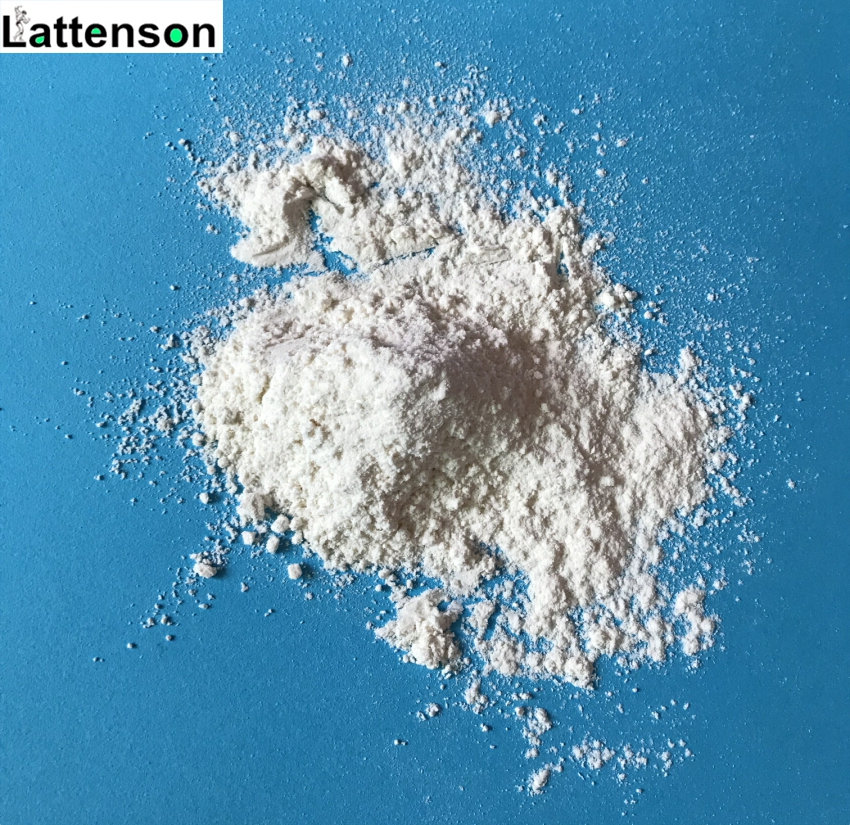
weißes kristallines Pulver, geruchlos, a little bitter |
| Haltbarkeit |
24Monate |
| Lagerung |
In verschlossenen Behältern kühl lagern & trockener Platz. Von Licht fernhalten, Feuchtigkeit |






 Verkaufsleiter