Prilocaine HCL Description
Procaine HCL is a local anesthetic of amino amide prepared by Claes Tegner and NilsLöFgren. Sous sa forme injectable, it is usually used in dentistry. It is also often used in combination with lidocaine for skin anesthesia (lidocaïne / propylamine or EMLA) for the treatment of paresthesia and other diseases. Due to low cardiac toxicity, it is usually used for intravenous anesthesia.
Chez certains patients, metabolites of prilocaine may cause abnormal side effects of methemoglobinemia and can be treated with methylene blue.
Local anesthesia is a substance that causes sensory loss only in its application without affecting consciousness. Most local anesthetic structures have on the other side an amino ester or aminoamide group attached to a hydrophilic (secondary or tertiary amine) and hydrophobic group (aromatic compound). The ester can be hydrolyzed to the p-aminobenzoic acid in the plasma by cleavage of the cholinesterase. Amides are stable for long and more systematic distributions. Esters include Novocain, Nesacaine, Pontocaïne, Benzocaine and tetracaine. Amides include sicaine, cabbaine, Citanest, Marcaïne, Duranest,
Procaine HCLusage
Praca is a local anesthetic of amino amide. Prilocaine is commonly used in dentistry. Placaine is also often used in combination with lidocaine for skin anesthesia (lidocaine or EMLA) for the treatment of paresthesia and other diseases.
Local anesthesia is a substance that causes sensory loss only in its application without affecting consciousness. Most local anesthetic structures have an amino ester or aminoamide group attached to a hydrophilic (secondary or tertiary amine).
The ester can be hydrolyzed into the plasma in the form of PARA-aminobenzoic acid by the enzyme base esterase. Amides are stable for long and more systematic distributions. Esters include prochlorocene, Novos, Nesacaine, Pontocaïne, Benzocaïne, tétracaïne. Amides include sicaine, cabbaine, Citanest, Bouaine (Marcaïne), Etidocaine (Duranest).
Prilocaine HCL est utilisé chez les enfants
Puisque cela est dû à l'âge et au poids, il est difficile de recommander la dose maximale d'un médicament pour les enfants. Pour les enfants ayant un poids corporel maigre normal et un développement physique normal depuis moins de 10 années, la dose maximale peut être déterminée en appliquant des préparations médicamenteuses pédiatriques standard (par exemple, Règle de Clark). Par exemple, selon la règle de Clark, 5-les enfants d'un an pèsent 50 livres, selon les règles de Clark, la dose d'acide acétique ne doit pas dépasser 150 à 200 mg (6.6 à 8,8 mg / kg ou 3 à 4 mg / livres de poids corporel)
certificat d'authenticité
| Nom du produit |
Chlorhydrate de propitocaïne |
| Essai (%) |
≥ 99.00 |
CAS no. |
1786-81-8 |
| Point d'éclair: |
134.3 °C |
Point de fusion |
168-170 °C |
| Pression de vapeur |
2.05E-05mmHg à 25 °C |
Point d'ébullition |
361.6 ° C à 760 mmHg |
| Perte au séchage |
≤1% |
| Point de fusion |
66-69 °C |
| Cendres sulfatées |
≤0.1% |
| Métaux lourds |
10 ppm |
| Sulfate |
≤0.1% |
| Chlorure |
≤35ppm |
| 2,6-diméthylaniline |
≤100 ppm |
| Standard |
USP / BP |
| Main Functions |
Anesthésie locale. |
| Classe |
Matières premières pharmaceutiques |
| Forfait |
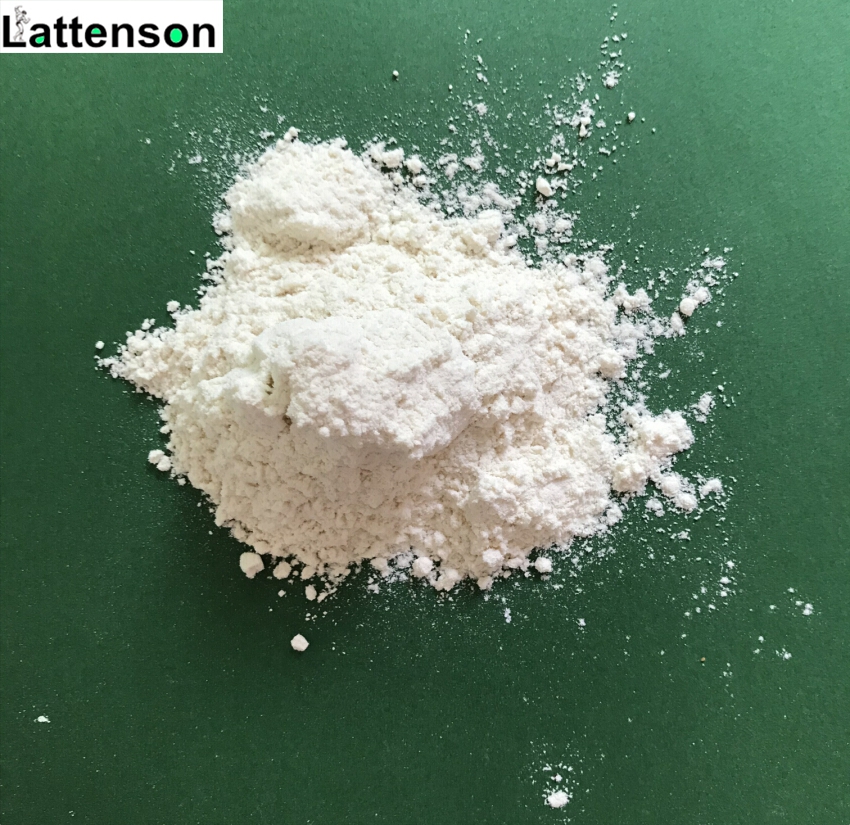
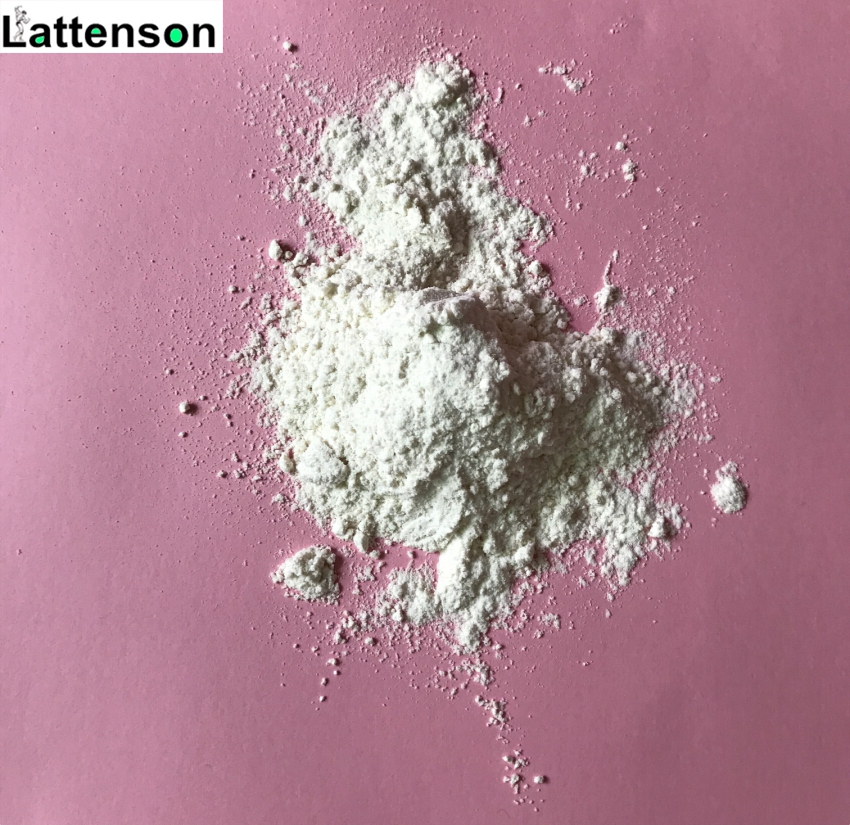
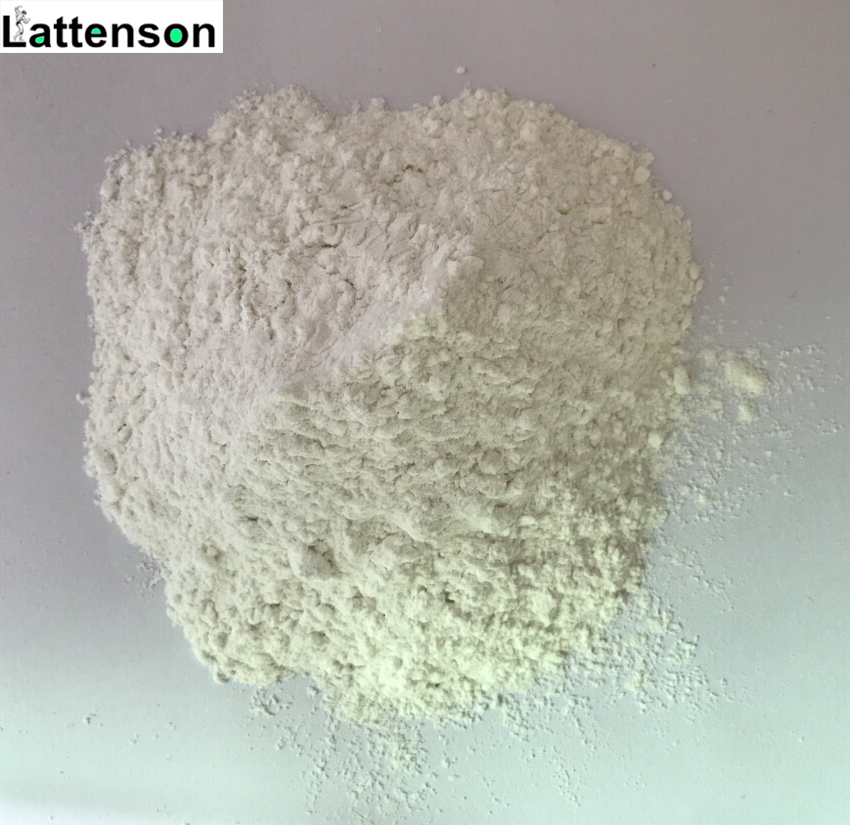
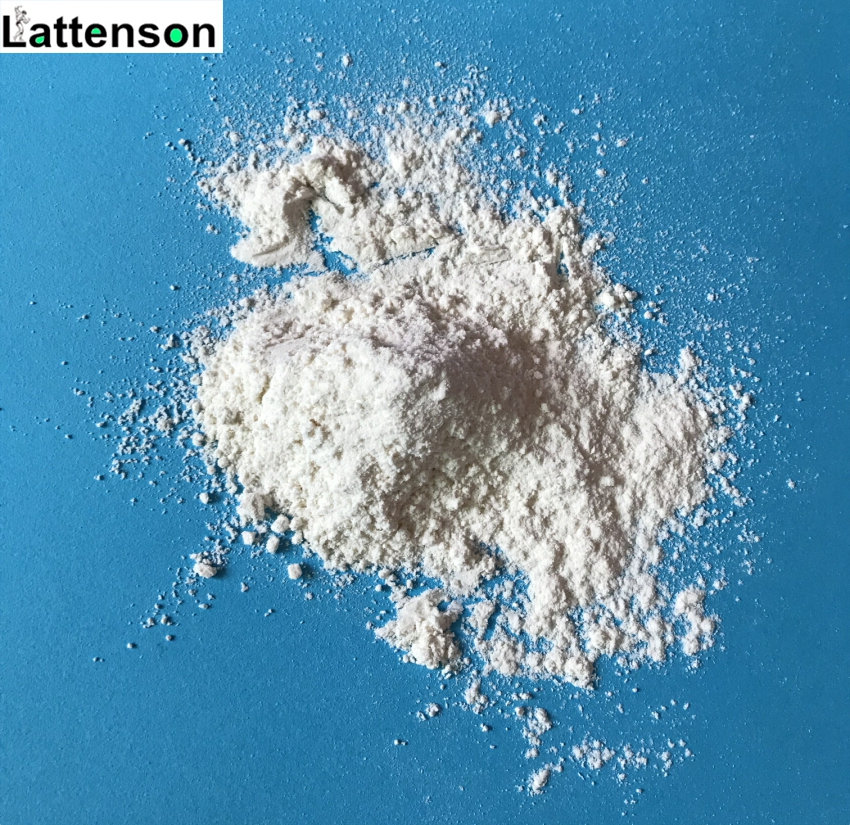
Poudre cristalline blanche, inodore, a little bitter |
| Durée de conservation |
24mois |
| Espace de rangement |
Conserver dans des conteneurs scellés chez Cool & lieu sec. Éloignez-vous de la lumière, humidité |






 Directeur commercial