| Nom |
Sunifiram |
| Systématique (Iupac) nom |
1-benzoyl-4-propanoylpipérazine |
| Numero CAS |
314728-85-3 |
| Formule |
C14H18N2O2 |
| Apparence |
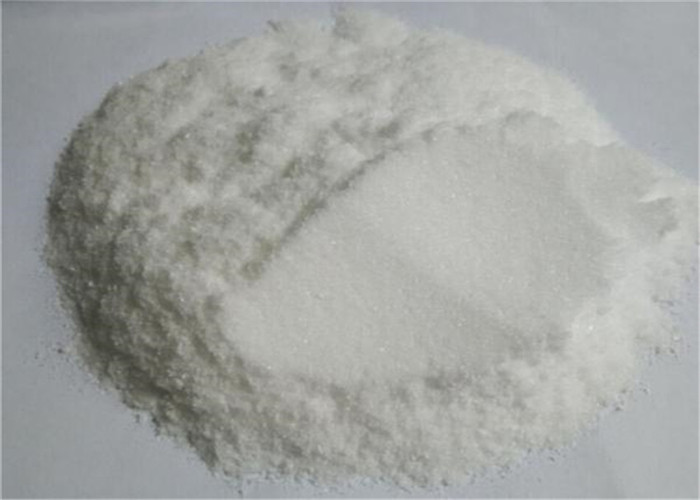
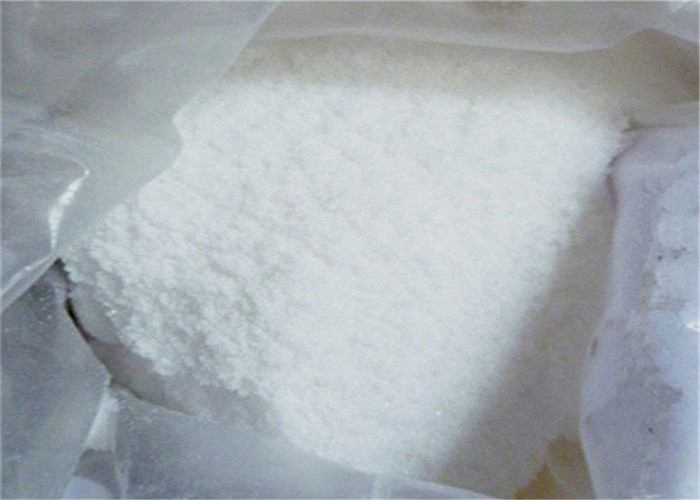
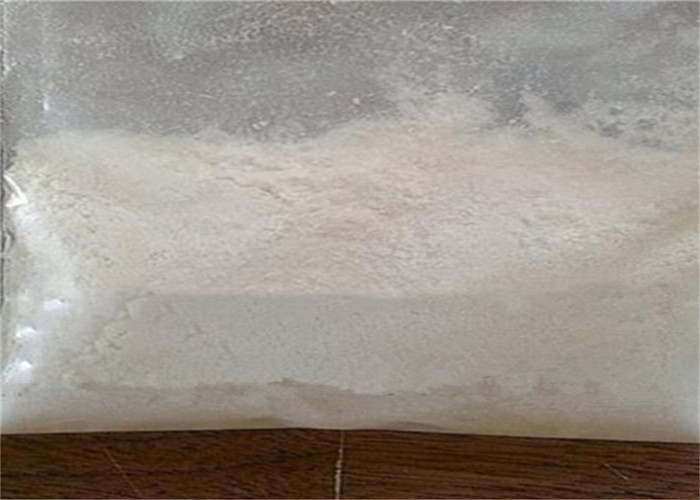
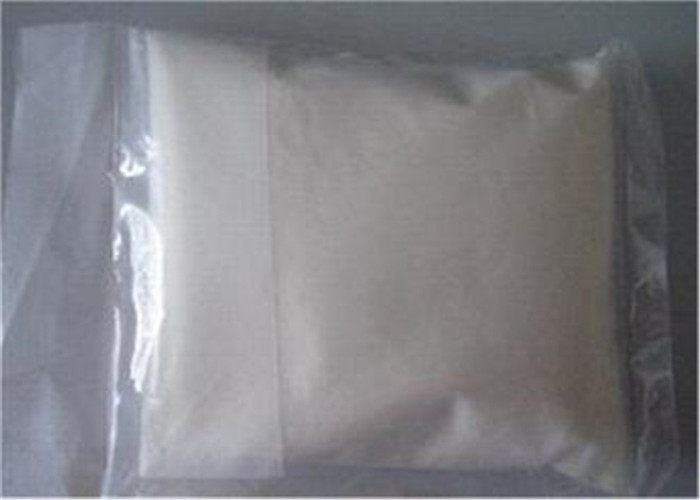
poudre blanche |
| Application |
un produit chimique de recherche dérivé de la pipérazine qui a des effets nootropiques |
| Action |
en vrac en stock |
| Essai |
99% |
La description:
Sunifiram est l'un des nootropiques les plus récents du marché et affiche des premiers résultats très prometteurs.. Il appartient à la famille des ampakines des suppléments nootropiques car il s'agit d'un agoniste de l'AMPA. Certaines critiques ont suggéré qu'il fonctionne de manière similaire au Piracetam, mais il est terminé. 1000 fois plus puissant que Piracetam pour le même dosage.
Sunifiram est très efficace pour stimuler la fonction de mémoire ainsi que la capacité d'attention, apprentissage, prise de décision et vigilance. De nombreuses critiques initiales et expériences d’utilisateurs suggèrent que Sunifiram pourrait devenir l’une des aides à l’étude nootropique les plus populaires pour améliorer la concentration..
Sunifiram a une structure chimique similaire à celle du Piracetam, mais les premières études montrent qu'il est significativement plus puissant que ce racetam largement utilisé. Le Sunifiram montre jusqu'à présent des résultats très positifs en tant qu'améliorateur de la mémoire et il est actuellement à l'étude pour le traitement potentiel de la maladie d'Alzheimer et d'autres maladies liées au déclin cognitif..
Les avis des utilisateurs et les journaux SUNIFIRAM soulignent le fait que ce supplément facilite le rappel des informations et vous aide à réfléchir plus clairement. Sunifiram est un peu comparé à Noopept en raison de leurs niveaux de puissance similaires. Les premières observations suggèrent que Sunifiram est meilleur pour booster la mémoire, tandis que Noopept pourrait avoir un avantage en termes d'augmentation de la concentration et de la vigilance..
Sunifiram (DM-235) est un médicament ampakine dérivé de pipérazine qui agit comme un modulateur allostérique positif des récepteurs AMPA, et a des effets nootropes dans des études animales avec une puissance significativement plus élevée que le piracétam. Un certain nombre de composés connexes sont connus, Le plus connu est Univiram (DM-232). Cette amélioration par le sunifiram est associée à une augmentation de la phosphorylation de l'AMPAR par activation de la protéine kinase II.(CaMKII) et une augmentation de la phosphorylation du NMDAR grâce à l'activation de la protéine kinase C α (PKCα). Plus précisément, le sunifiram stimule le site de liaison à la glycine du NMDAR avec une activation concomitante de la PKCα via la kinase Src. L'amélioration de l'activité PKCα déclenche la potentialisation de la LTP de l'hippocampe via l'activation de CaMKII. Sunifiram améliore les déficits cognitifs via l'activation de la CaM kinase II et de la protéine kinase C. Ce composé est connu comme une ampakine en raison de l'exercer la plupart de ses actions via le récepteur AMPA (L'un des trois principaux sous-ensembles de récepteurs de glutamate, aux côtés de NDMA et Kainate). Cette amélioration de la fonction AMPA semble également s'appuyer sur l'amélioration de la signalisation via le site de liaison à la glycine des récepteurs NMDA, Bien qu'une signalisation minimale passe par le récepteur NMDA, les avantages sur les récepteurs AMPA semblent dépendants de la dose.
Application:
Le mécanisme exact permettant d’expliquer comment Sunifiram est capable d’avoir un tel bénéfice cognitif reste à trouver., mais les scientifiques ont identifié des modèles intéressants pour montrer comment certains de ces attributs peuvent être mieux compris. L'un de ces mécanismes est celui de la signalisation NMDA, qui a été confirmé après que les doses de Sunifiram aient été maintenues pendant plus de 7 jours. Cela peut expliquer une partie de la potentialisation à long terme dépendante du NMDA observée avec l'utilisation de Sunifiram. D'autres études ont montré que des rongeurs présentaient des troubles de la mémoire. (centré autour de l'hippocampe) bénéficié de l’administration de Sunifiram, lorsque leur capacité à terminer des séances de formation a été mesurée. Enfin, Les injections de Sunifiram ont pu provoquer la libération d'acétylcholine, qui a été détecté dans le cortex préfrontal de souris de laboratoire. Pour le traitement de la démence d'Alzheimer, Trouble cognitif, Médicaments neurologiques, Démence sénile, Améliorateurs de libération d'acétylcholine.Sunifiram (DM-235) est un dérivé synthétique du Piracetam, bien qu'en raison de la rupture du squelette de la pyrrolidone, il ne fasse plus partie de la classe des médicaments Racetam (mais en étant dérivé d'eux, il est encore communément associé à cette classe). Sunifiram a des mécanismes similaires à ceux du Nefiracétam dans l'hippocampe, et similaire à ce médicament, le sunifiram présente des propriétés anti-amnésiques et est potentiellement un stimulateur cognitif. Son activité anti-amnésique est plusieurs ordres de grandeur supérieure à celle du piracétam par rapport au poids., et les preuves préliminaires suggèrent qu'il a un profil de toxicité tout aussi faible.
| Autres produits en vente chaude (Poudre brute) |
| TUDCA (Acide tauroursodésoxycholique) |
| GBL (Y-Butyrolactone) |
| 1,4-Butanediol |
| Minoxidil |
| Mélatonine |
| Trétinoïne |
| Sunifiram |
| Prégabaline |
| Phénacétine |
| Paracétamol |
| Lévamisole HCL |
| Pirfénidone |
| Épinéphrine HCL |
| Prégnénolone |
| Bromhydrate de dextrométhorphane monohydraté |
| Argireline |
| SNAP-8 1mg/flacon |
| Théophylline |
| Diclofénac sodique |
| Sel de sodium de tianeptine |
| Noopept |
| Mononucléotide bêta-nicotinamide |
| Propionate de clobétasol |
| polyéthylène glycol(CHEVILLE) |
| Kétoprofène |
| 1,3-Chlorhydrate de diméthylbutylamine |
| Polyvinylpyrrolidone |
| Baricitinib |
| Diprophylline |
| Aminophylline |
| Tianeptine |
| Sulfate de tianeptine |
| PRL-8-53 |





 Directeur commercial