| Name |
Sunifiram |
| Systematisch (IUPAC) Name |
1-Benzoyl-4-propanoylpiperazin |
| CAS-Nummer |
314728-85-3 |
| Formel |
C14H18N2O2 |
| Aussehen |
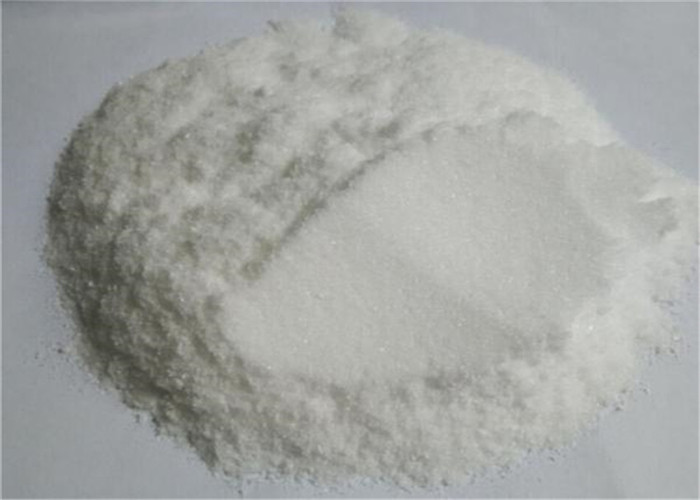
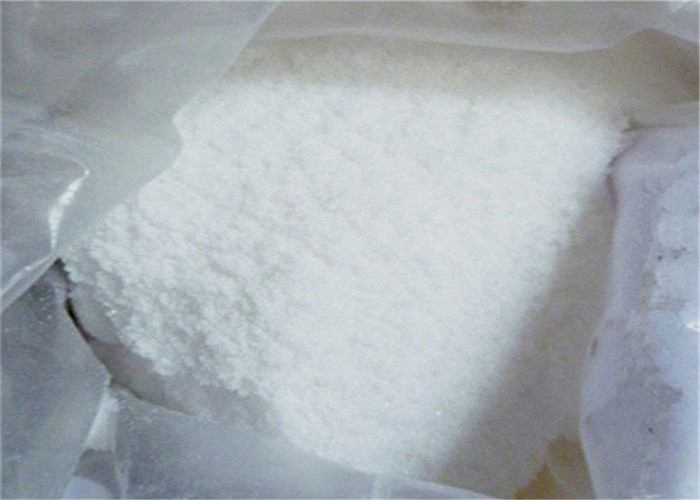
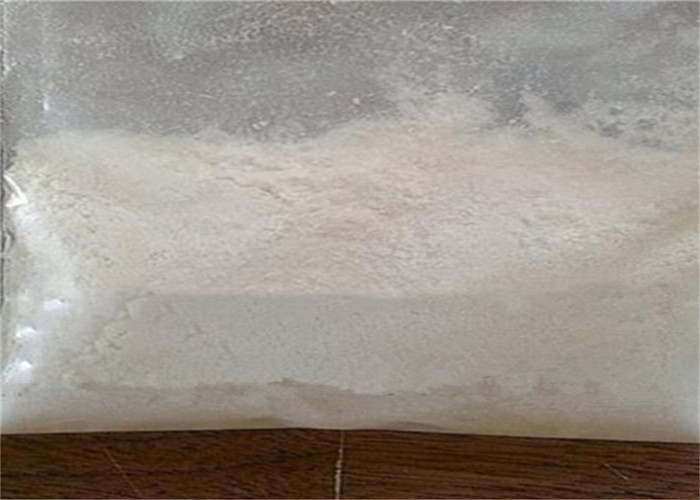
weißes Puder |
| Anwendung |
eine von Piperazin abgeleitete Forschungschemikalie mit nootroper Wirkung |
| Aktie |
Masse auf Lager |
| Assay |
99% |
Beschreibung:
Sunifiram ist eines der neuesten Nootropika auf dem Markt und zeigt vielversprechende erste Ergebnisse. Es gehört zur Ampakin-Familie der nootropischen Nahrungsergänzungsmittel, da es ein AMPA-Agonist ist. Einige Bewertungen deuten darauf hin, dass es ähnlich wie Piracetam wirkt, aber das ist nicht der Fall 1000 Mal stärker als Piracetam bei gleicher Dosierung.
Sunifiram ist hochwirksam bei der Steigerung der Gedächtnisfunktion und der Aufmerksamkeitsspanne, Lernen, Entscheidungsfindung und Aufmerksamkeit. Viele erste Bewertungen und Benutzererfahrungen deuten darauf hin, dass Sunifiram zu einem der beliebtesten nootropischen Studienmittel zur Verbesserung der Konzentration werden könnte.
Sunifiram hat eine ähnliche chemische Struktur wie Piracetam, erste Studien zeigen jedoch, dass es deutlich wirksamer ist als dieses weit verbreitete Racetam. Sunifiram zeigt bisher sehr positive Ergebnisse als Gedächtnisverstärker und wird derzeit für eine mögliche Behandlung von Alzheimer und anderen mit kognitivem Verfall verbundenen Krankheiten untersucht.
Benutzerbewertungen und Sunifiram -Protokolle weisen darauf hin, dass diese Ergänzung die Informationen erleichtert und Ihnen hilft, klarer zu denken. Aufgrund ihrer ähnlichen Wirksamkeit wird Sunifiram häufig mit Noopept verglichen. Erste Beobachtungen deuten darauf hin, dass Sunifiram als Gedächtnisverstärker besser geeignet ist, während Noopept bei der Steigerung der Konzentration und Aufmerksamkeit einen Vorteil haben könnte.
Sunifiram (DM-235) ist ein von Piperazin abgeleitetes Ampakin-Medikament, das als positiver allosterischer Modulator von AMPA-Rezeptoren wirkt, und hat im Tierversuch nootrope Wirkungen mit deutlich höherer Wirksamkeit als Piracetam. Es sind eine Reihe verwandter Verbindungen bekannt, Das bekannteste ist Unifiram (DM-232). Diese Verstärkung durch Sunifiram ist mit einer Erhöhung der Phosphorylierung von AMPAR durch Aktivierung der Proteinkinase II verbunden(CaMKII) und eine Zunahme der Phosphorylierung von NMDAR durch Aktivierung der Proteinkinase C α (PKCα). Genauer, Sunifiram stimuliert die Glycin-Bindungsstelle von NMDAR bei gleichzeitiger PKCα-Aktivierung durch Src-Kinase. Die Steigerung der PKCα-Aktivität löst eine Potenzierung der Hippocampus-LTP durch CaMKII-Aktivierung aus. Sunifiram verbessert kognitive Defizite durch die Aktivierung von CaM-Kinase II und Proteinkinase C. Diese Verbindung ist als AMPAkin bekannt, da sie die meisten ihrer Wirkungen über den AMPA-Rezeptor ausübt (eine der drei Hauptuntergruppen der Glutamatrezeptoren, neben NDMA und Kainat). Diese Verbesserung der AMPA-Funktion scheint auch auf einer verstärkten Signalübertragung über die Glycin-Bindungsstelle von NMDA-Rezeptoren zu beruhen, Obwohl eine minimale Signalübertragung über den NMDA-Rezeptor erfolgt, scheinen die Vorteile auf AMPA-Rezeptoren dosisabhängig zu sein.
Anwendung:
Der genaue Mechanismus, der erklärt, wie Sunifiram einen so starken kognitiven Nutzen erzielen kann, muss noch gefunden werden, Wissenschaftler haben jedoch einige interessante Modelle identifiziert, um zu zeigen, wie einige dieser Attribute besser verstanden werden können. Ein solcher Mechanismus ist der der NMDA-Signalisierung, der bestätigt wurde, nachdem die Sunifiram-Dosierungen über einen längeren Zeitraum beibehalten wurden 7 Tage. Dies kann einige der NMDA-abhängigen Langzeitverstärkungen erklären, die bei der Verwendung von Sunifiram beobachtet wurden. Weitere Studien haben gezeigt, dass Nagetiere eine Gedächtnisstörung aufweisen (zentriert um den Hippocampus) profitierte von der Sunifiram-Verwaltung, als ihre Fähigkeit, Trainingseinheiten zu absolvieren, gemessen wurde. Endlich, Sunifiram-Injektionen konnten die Freisetzung von Acetylcholin bewirken, die im präfrontalen Kortex von Labormäusen nachgewiesen wurde. Zur Behandlung der Alzheimer-Demenz, Wahrnehmungsstörung, Neurologische Medikamente, Altersdemenz, Acetylcholin-Freisetzungsverstärker.Sunifiram (DM-235) ist ein synthetisches Derivat von Piracetam, obwohl es aufgrund der Zerstörung des Pyrrolidon-Rückgrats nicht mehr zur Arzneimittelklasse der Racetame gehört (doch dadurch, dass es von ihnen abgeleitet ist, es wird immer noch häufig mit dieser Klasse in Verbindung gebracht). Sunifiram hat im Hippocampus ähnliche Mechanismen wie Nefiracetam, und ähnlich wie dieses Medikament weist Sunifiram antiamnesische Eigenschaften auf und ist möglicherweise ein kognitiver Verstärker. Seine antiamnesische Wirkung ist pro Gewicht um mehrere Größenordnungen höher als die von Piracetam, und vorläufige Beweise deuten darauf hin, dass es ein ähnlich niedriges Toxizitätsprofil aufweist.
| Andere Hot-Sale-Produkte (Rohpulver) |
| TUDCA (Tauroursodesoxycholsäure) |
| GBL (Y-Butyrolacton) |
| 1,4-Butandiol |
| Minoxidil |
| Melatonin |
| Tretinoin |
| Sunifiram |
| Pregabalin |
| Phenacetin |
| Paracetamol |
| Levamisol HCL |
| Pirfenidon |
| Epinephrin HCL |
| Pregnenolon-Rohpulver CAS |
| Dextromethorphan-Hydrobromid-Monohydrat |
| Argireline |
| SNAP-8 1 mg/Fläschchen |
| Theophyllin |
| Diclofenac-Natrium |
| Tianeptin-Natriumsalz |
| Noopept |
| Beta-Nicotinamid-Mononukleotid |
| Clobetasolpropionat |
| Polyethylenglykol(ANBINDUNG) |
| Ketoprofen |
| 1,3-Dimethylbutylaminhydrochlorid |
| Polyvinylpyrrolidon |
| Baricitinib |
| Diprophyllin |
| Aminophyllin |
| Tianeptin |
| Tianeptinsulfatsulfat |
| PRL-8-53 |





 Verkaufsleiter