| Nuevo medicamento antiviral |
Lamivudina es un nuevo fármaco antiviral, perteneciente a los inhibidores nucleósidos de la transcriptasa inversa, Tiene un fuerte efecto inhibidor de la infección in vitro y experimental en animales del virus de la hepatitis B. (VHB), Puede inhibir la síntesis del virus VIH.; el fármaco producido por GlaxoSmithKline Co.. A principios de los 90, Se utilizan para el tratamiento de medicamentos contra el SIDA en Europa y países de América del Norte.. En medio del 1990 Los expertos médicos descubrieron que tienen inhibición del ADN del virus de la hepatitis B., en 1998 la Administración de Alimentos y Medicamentos de los Estados Unidos (FDA) aprobó el primer fármaco para el tratamiento de la hepatitis B. en china, La Administración Estatal de Alimentos y Medicamentos aprobó la importación de medicamentos utilizados principalmente como medicamento en el tratamiento de la hepatitis B., Nombre del producto chino como “el puding”. En 1999, comenzó oficialmente en el continente. Chino vendido después 10 años de verificación clínica, Lamivudina es el único fármaco que ha demostrado retrasar el progreso de la cirrosis por hepatitis., menos efectos secundarios, menos costo de medicación, actualmente tiene 2 Millones de pacientes con hepatitis B en el país están usando.
Lamivudina puede metabolizarse a lamivudina tres fosfato en células infectadas por VHB y en células normales., es la forma activa de lamivudina, ambos inhibidores de la polimerasa del VHB, y es sustrato de polimerasa. Incorporación de lamivudina tres fosfatos en la cadena de ADN viral, puede bloquear la síntesis de ADN viral, y no interfiere con el metabolismo normal de los desoxinucleósidos celulares, Tener una inhibición débil de la ADN polimerasa alfa y beta de los mamíferos., casi ningún efecto sobre el contenido de ADN de las células de mamíferos, y sin toxicidad evidente para la estructura de las mitocondrias, Contenido y función del ADN.. Para la detección de ADN del VHB en suero, los resultados de la mayoría de los pacientes con hepatitis B mostraron que lamivudina puede inhibir rápidamente la replicación del VHB., su efecto inhibidor duró todo el proceso de tratamiento. Al mismo tiempo, las transaminasas séricas disminuyeron a la normalidad., El uso a largo plazo puede mejorar significativamente la necrosis hepática y los cambios inflamatorios para aliviar o prevenir la fibrosis hepática.. |
| Métodos de producción |
Seleccione la reacción de acilación de 6-o-sulfo a los compuestos. (I), luego acetilado para obtener el compuesto (II), el rendimiento fue 96.7%. el compuesto (II) utiliza ácido acético como disolvente, Estanozolol semielaborado de la serie líquida de esteroides 3 mol de bromuro de hidrógeno/l de ácido (45%, VIRGINIA OCCIDENTAL) reacción, bromación para obtener compuesto (III), el rendimiento fue 99%. Bromuro (III) Estanozolol semielaborado de la serie líquida de esteroides 3.3 mol de xantato de etilo y potasio, reflujo en acetona, tio y ciclación; luego en metanol con hidrólisis de amoniaco para obtener el compuesto (IV), el rendimiento del segundo paso es 72%. Compuestos (IV) se purifica mediante cromatografía en columna, es solido cristalino. Compuesto (IV) usos 1.4 Tratamiento mol de peryodato de sodio para abrir el glicol 2,3-CIS; seguido de la reducción del borohidruro de sodio a aldehídos y la contracción de la forma ceto para proteger el glicol., y obtener compuesto (V), el rendimiento es 60%. el compuesto (V) silane to protect the rest of the primary alcohol, and then take off ketal to obtain compound (VI) and yield is 63%.Use lead tetraacetate to oxidize glycol of compounds (VI), and then to use dichromic acid pyridine salt to further oxidation, y obtener compuesto (VII), the oxidation method does not affect the sulfur. compounds (VII) is oxidized by using lead acetate to obtain compounds (VIII), el rendimiento es 66%[ according to compounds (VI)]. Compuestos (VIII) Estanozolol semielaborado de la serie líquida de esteroides (IX) are in the dichloroethane,and TMSOTf as a Lewis acid catalyst, condensated to compound (x), el rendimiento es 64%. And the amount of isomers of compounds (x) is half of the compounds (x) and their available silica gel chromatography to isolate. Compuestos (x) in ammonia-methanol and acetyl, el rendimiento es 73% ; with Tetrabutylammonium fluoride solution to remove the silylation to obtain lamivudine and yield of 75%. |
| What kind of patients suitable for use Lamivudine |
Not all patients with hepatitis B are suitable for the use of lamivudine. Lamivudine should be applied in the following cases according to the action characteristics of lamivudine and clinical summary of the experience in the application of lamivudine:
(1) HBVDNA quantitative detection of moderate positive; HBeAg positive; ALT increased 2~10 times.
(2) HBeAg negative, but HBVDNA was moderately positive (do not take the qualitative PCR results as the standard, to do quantitative measurement), ALT increased 2~10 times. The majority of this situation may be the virus gene mutations in the C region.
Not suitable for the use of lamivudine is the main:
(1) HBVDNA negative or quantitative determination of <105copies/ml;
(2)with normal ALT (mainly refers to the virus asymptomatic HBV carriers (ASC); for the past elevated ALT, but now ALT and AST normal patients, can be temporary not treatment, elevated ALT and treated. The patient was not suitable for use, not because lamivudine is harmful to the people, but because of the low effective rate of these patients, does not meet the pharmaceutical economics principle.
Lamivudina, like any other drugs, can be used properly to benefit most patients, and inappropriate use will not produce the desired effect, and inappropriate withdrawal may even lead to exacerbations.
The above information is Chemicalbook Hanya edited. |
| Zidovudine |
Zidovudine (azidothymidine, AZT) is a thymidine analogue. Within the virus-infected cell, the 3′-azido group is used by retroviral reverse transcriptase and incorporated into DNA transcription, preventing viral replication. The shared mechanism of action is inhibition of RNA-dependent DNA polymerase (reverse transcriptase). This enzyme is responsible for conversion of the viral RNA genome into double-stranded DNA before it is integrated into the cell genome. Because these actions occur early in replication, the drugs tend to be effective for acute infections but are relatively ineffective for chronically infected cells. Cellular α-DNA polymerases are inhibited only at concentrations 100-fold greater than those necessary to inhibit reverse transcriptase, thus rendering this drug relatively safe to host cells. Cellular γ-DNA polymerase, sin embargo, is inhibited at lower concentrations. AZT is effective against a variety of retroviruses at low concentrations. Resistance to AZT is associated with point mutations resulting in amino acid substitutions in the reverse transcriptase. Prolonged use of AZT can facilitate viral resistance. The risk of resistance also appears to correlate with CD4 cell count and the state of infection. Viral susceptibility to AZT may return after the drug has been discontinued for a period of time. |
| Farmacocinética |
After oral administration of lamivudine, it is well absorbed. And about 0.1 g of adult oral about 1hr reached peak plasma concentration Cmax 1.1-1.5 u g/ml, bioavailability is 80-85%. and at the same time of food taking, the Tmax delayed 0.25-2.5 HR and lower 10-40% of Cmax, but the bioavailability is unchanged. Intravenous administration research results table Ming lamivudine average distribution capacity is 1.3 L/Kg, system average clearance rate of 0.3 L/h/kg, seventy percent by organic cation transport system and renal clearance and elimination half-life is 5-7hr. within the therapeutic dose range and lamivudine pharmacokinetics showed a linear relationship, the plasma protein binding rate is low. In vitro studies have shown that with serum albumin binding rate is <16-36%. It can pass through the blood brain barrier into the cerebrospinal fluid. Mainly the prototype drug excretion by the kidneys, renal excretion accounted for about total removal of 70% más o menos, solo 5-10% is metabolized into Anti sulfur oxide derivatives. For patients with renal insufficiency can affect lamivudine excretion, and for creatinine clearance rate <30mL/ points in patients, does not recommend the use of this product. Liver damage does not affect the metabolism of drugs, due to increased age and decreased renal excretory function in elderly patients, lamivudine metabolism without significant changes, Only in creatinine clear except rate <30mL/ time-sharing, there is influence. |
| drug withdrawal |
Lamivudine is not hepatitis b curative drugs, can only make it better, and easy to rebound after discontinuation of lamivudine treatment. So how long is more appropriate, should according to the therapeutic effect and It differs from man to man. The most accepted standard of withdrawal is: before treatment, HBVDNA positive, HBeAg positive, ALT increased more than 1 veces; treatment after HBVDNA seroconversion, HBeAg seroconversion (“big Sanyang” a “small Sanyang”), ALT normalization, maintain the effect of the above 6 months can be stopped. Of course in this standard withdrawal is not only without recurrence, the recurrence rate is low. It is reported that this group of patients discontinued 21 months still maintain curative effect. The recurrence rate of 81%. Asians is slightly higher, but in a year when the recurrence rate is lower than that of 40%. For example not up to this effect and withdrawal, while the majority of cases in a short period of time to recurrence, even some patients because of inappropriate drug withdrawal and lead to illness. So stoping the drug is a great event, I hope the patients in the decision to stop the medicine to go to the hospital to consult an experienced specialist, and not to stop the medicine. |
| Adverse reactions and side effects |
Lamivudine is a kind of nucleoside drugs, by inhibiting or blocking synthesis of the hepatitis B virus DNA to restrain replication of hepatitis B virus, thus gradually clear hepatitis B virus, often are used by doctors to treat acute and chronic hepatitis B.
Common side effects are easy to produce drug resistance, efectos secundarios, withdrawal difficult, fiebre, upper respiratory tract infection symptoms, dolor de cabeza, dolor abdominal, physical discomfort, diarrhea and other symptoms, but the symptoms are generally mild and in a short time the ego recede. At the same time the State Food and Drug Administration released Thirtieth phase drug adverse reaction information bulletin also alert our medical workers and drug producers wary of lamivudine and telbivudine may cause the risk of rhabdomyolysis, myalgia, debilidad, elevated creatine kinase, blood creatinine rise higher.
Long-term use is easily virus mutates, more performance is after discontinuation of hepatitis B virus DNA positive rotation or is in a cycle of treatment occurs when the hepatitis B virus positive turn, this is the hallmark of virus mutates, indicating that more serious illness, more difficult to treat. Recent studies also suggest, the side effects of lamivudine is also reflected on the damage to the kidney, the majority of patients will have different degrees of renal toxicity, serious and even renal failure. |
| Disabling condition |
1.Chronic asymptomatic hepatitis B virus carriers were normal and no symptoms, whatever virus replication index or not (both “big Sanyang” Estanozolol semielaborado de la serie líquida de esteroides “small Sanyang”), are not taking lamivudine. But it is understood that at present this part of patients taking this medicine is a common phenomenon, which wasted drugs and money. At present the treatment of hepatitis B virus is not resolved, medical scientists is also exploring, the existing methods are not mature. The important reason of lamivudine in treatment of hepatitis B virus are invalid, someone after taking HBVDNA may drop to 103 copies/ml, once the withdrawal and we immediately rebound. We found that people taking more than half a year after discontinuation of HBVDNA negative, menos que 1 months back, and HBeAg cannot be negative. Por lo tanto, can’t use this medicine to treat hepatitis B virus, unless the liver puncture biopsy confirmed chronic liver. The application can only be considered when the inflammatory pathological changes.
2. Acute severe hepatitis or acute liver failure are in critical condition, the ferocious. At this time the patient’s main contradiction is not virus replication, some patients even without virus replication index, threatening the patient’s life is liver failure, according to “the government ease the emergency treatment of the subject”, then the most important is supportive therapy, such as the input of fresh plasma, albumin, artificial liver support therapy.
3. Acute exacerbation of chronic hepatitis B, if the transaminase is greater than the upper limit of the normal value of 10 veces, there are obvious jaundice, or serum bilirubin than 85.5 mmol/L, temporarily not to take lamivudine and other antiviral drugs, and liver, jaundice and reducing enzyme treatment is given priority to, When remission can apply a small amount. Although lamivudine on immune function has strongly influenced not the same interferon but in the acute exacerbation of hepatitis, prevent damage on the immune system. No use is the best policy.
4. Chronic hepatitis B in pregnancy or pregnancy after HBV infection, do not use this product, the main reasons of the effect of lamivudine on the fetus are yet to be elucidated. As both at home and abroad, There are application reports and relatively safe, but experts in China has not yet reached a consensus, as a precaution, temporarily application is a wise choice. |
| Propiedad química |
White solid obtained from methanol-ethyl acetate. [a]D21-132°(C=1.08, metanol). Or from the boiling ethanol crystallization, melting point is 160~162℃. [a]D21-135°(C=0.38, metanol). |
| Usos |
1. Antiviral drugs for hepatitis B.
2. Antiviral drugs for the treatment of liver and gallbladder diseases.
3. Medicine for liver and gallbladder diseases. |
| Propiedades químicas |
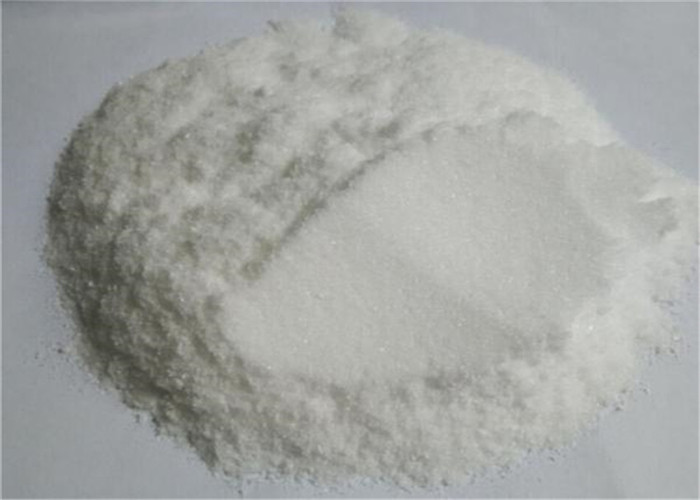
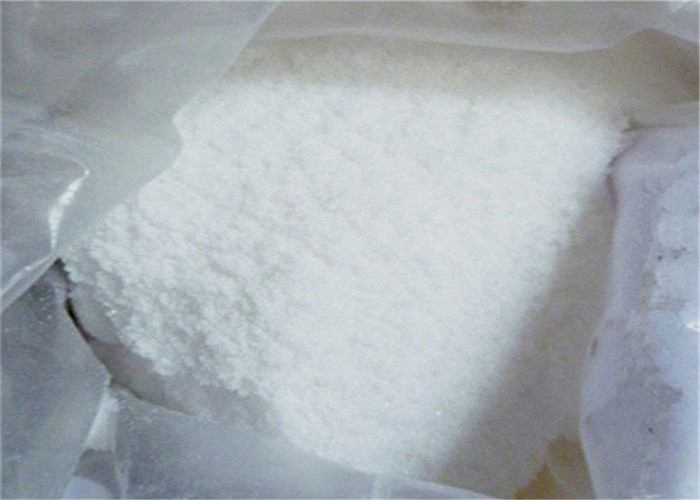
Polvo cristalino blanco |
| Usos |
A reverse transcriptase inhibitor. Antiviral. |
| Definición |
Chebi: A monothioacetal that consists of cytosine having a (2R,5S)-2-(hidroximetilo)-1,3-oxathiolan-5-yl moiety attached at position 1. An inhibitor of HIV-1 reverse transcriptase. |







 Gerente de ventas