Pharmazeutischer Rohstoff Pregabalin Intermediate behandelt Epilepsie 148553-50-8 Mit Safe Pass
FALL: 148553-50-8
MF: C8H17NO2
MW: 159.23
Assay: 99%
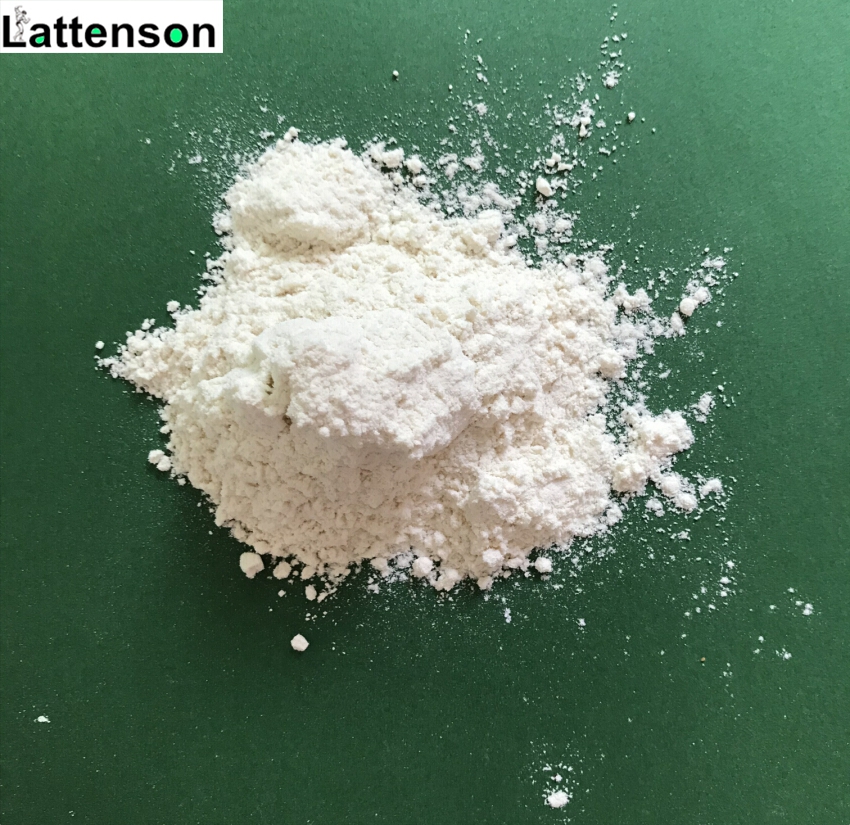
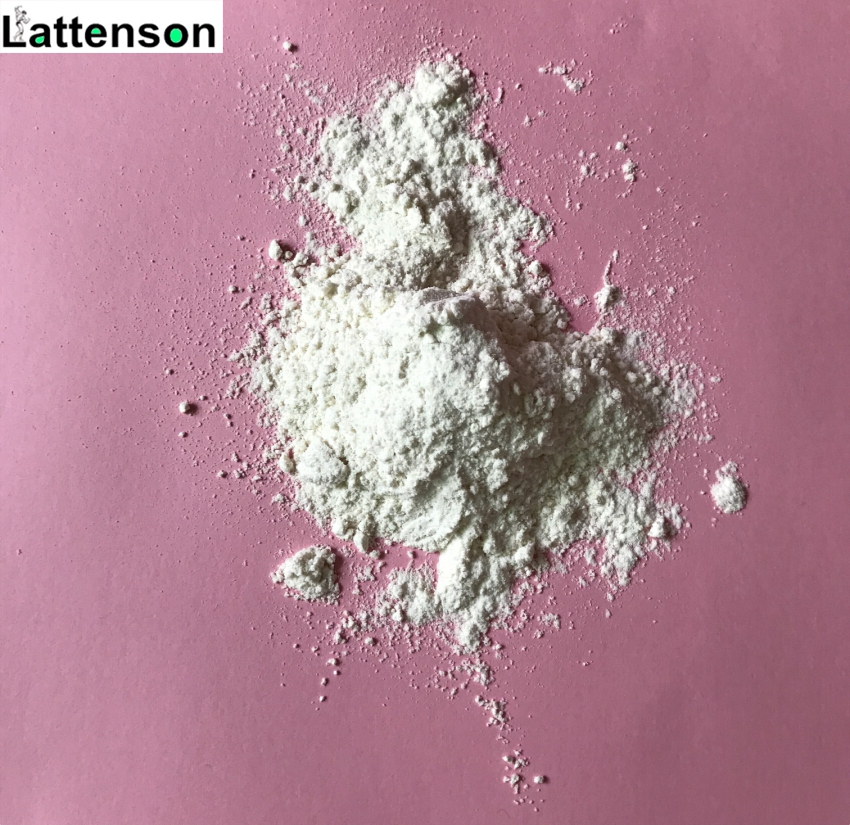
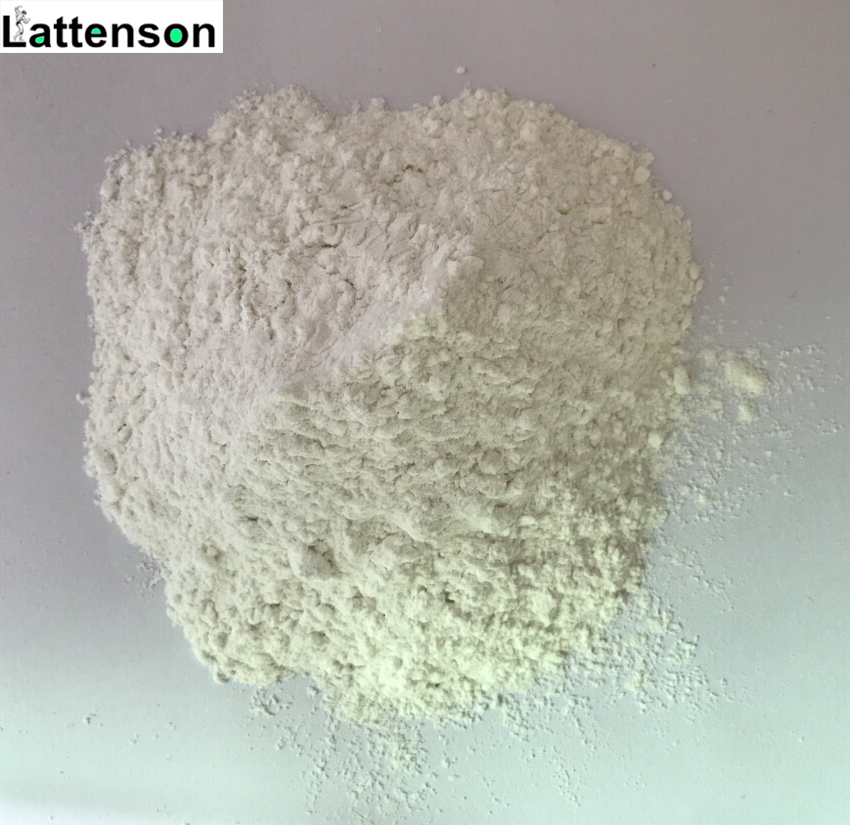
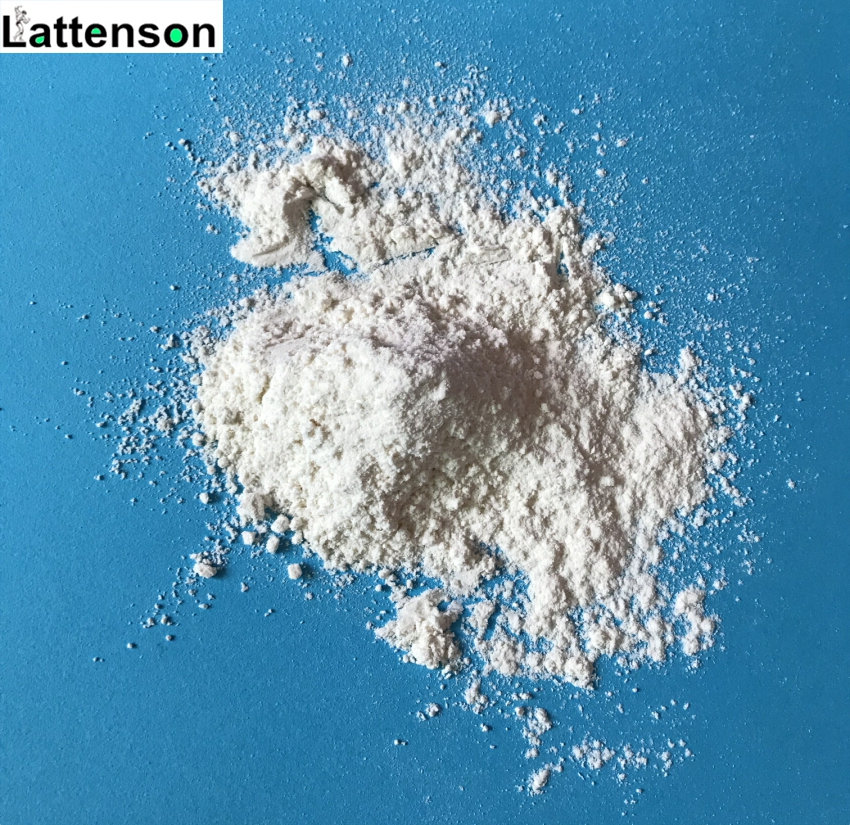
Aussehen: Weißes Kristallpulver
Paket: 25kg / Straße
Verwendung: Neue Antiepileptika. Verwendet in der Behandlung von peripherer Neuropathie, oder partielle Anfälle
Pregabalin COA:
| ARTIKEL |
Standards |
ERGEBNISSE |
| Aussehen |
Ein weißes bis aus weißes Pulver |
weißes Puder |
| Identifizierung |
EIN. Erfüllt die Anforderung |
Entspricht |
| B. IR: Ähnlich der Referenzsubstanz |
Entspricht |
| Trocknungsverlust |
≤0,5 % |
0.21% |
| Spezifische Drehung |
+10.0° ~+13,0 ° |
+10.8° |
| Verwandte Substanzen |
Jede einzelne Verunreinigung ≤ 0,1%
Gesamtverunreinigung ≤ 0,8% |
0.05%
0.10% |
| Reinheit durch HPLC R-Isomer |
≤0,15 % |
0.10 |
| Glührückstand |
≤0,1 % |
0.05% |
| Restlösungsmittel |
Isopropylalkohol ≤ 5000 ppm
Ethylacetat ≤ 5000 ppm |
150ppm
250ppm |
| Schwermetalle |
≤10ppm |
Entspricht |
| Chloride |
≤0,05 % |
Entspricht |
| Assay |
98%~102,0 % |
99.8% |
Verwendung von Pregabalin:
Pregabalin ist ein Antikonvulsivum, das bei neuropathischen Schmerzen eingesetzt wird, als Zusatztherapie bei partiellen Anfällen, und bei generalisierter Angststörung. Es wurde als potenterer Nachfolger von Gabapentin entwickelt.
Pregabalin ist ein Antikonvulsivum, das bei neuropathischen Schmerzen eingesetzt wird, als Zusatztherapie bei partiellen Anfällen, und bei generalisierter Angststörung. Es wurde als potenterer Nachfolger von Gabapentin entwickelt. Pregabalin wird von Pfizer unter dem Handelsnamen vermarktet.
Behandlung nach Zustand im Zusammenhang mit Pregabalin:
Zusätzliche Medikamente zur Behandlung partieller Anfälle
Neuropathische Schmerzmittel
Nervenschmerzen durch Medikamente gegen Rückenmarksverletzungen
Nervenschmerzen nach Herpes-Medikamenten
Störung, gekennzeichnet durch Steifheit, Zart & Medikamente gegen Muskelschmerzen
Recommended Local Anesthetics Drugs
| Lidocain-Basis |
137-58-6 |
| Lidocainhydrochlorid |
73-78-9 |
| Benzocaine 20~50mesh |
94-09-7 |
| Benzocaine 200mesh |
94-09-7 |
| Benzocainhydrochlorid |
23239-88-5 |
| Procain |
59-46-1 |
| Procainhydrochlorid |
51-05-8 |
| Tetracain |
94-24-6 |
| Tetracainhydrochlorid |
136-47-0 |
| Prilocain |
721-50-6 |
| Propitocaine Hydrochloride |
1786-81-8 |
| Bupivacain |
2180-92-9 |
| Bupivacainhydrochlorid |
14252-80-3 |
| Pramoxinhydrochlorid |
637-58-1 |
| Dibucaine Hydrochloride |
61-12-1 |
| Articaine Hydrochloride |
23964-57-0 |
| Levobupivacaine Hydrochloride |
27262-48-2 |
| Ropivacainhydrochlorid |
132112-35-7 |
| Proparacaine Hydrochloride |
5875-06-9 |
| Dyclonine Hydrochloride |
536-43-6 |
| Articain |
23964-58-1 |
| Procainamidhydrochlorid |
614-39-1 |
| Xylazine hcl |
23076-35-9 |
| Xylazin |
7361-61-7 |
Antiepileptische Drus und Therapeutika gegen neuropathische Schmerzen:
Pregabalin ist ein neues Antiepileptikum, mit einer γ-Aminobuttersäure-Struktur in seiner Molekülstruktur, das antikonvulsive Wirkung hat, und wird von der Firma Pfizer erfolgreich zur Behandlung peripherer neuropathischer Schmerzen entwickelt, oder adjuvante Behandlung partieller Anfälle.
Im Dezember 2008, der US-amerikanischen Food and Drug Administration (FDA) zugelassenes Pregabalin (Handelsname “Lyrica”) zur Behandlung diabetischer peripherer neuropathischer Schmerzen (DPN) und postherpetische Neuralgie (PHN)Dies sind beides die häufigsten neuropathischen Schmerzen.
Neuropathischer Schmerz ist eines der am schwierigsten zu behandelnden chronischen Schmerzsyndrome , dumpfer Schmerz, Verbrennung, Kribbeln als Hauptmerkmal, Es gibt viele Anreize für Neuralgien, Diabetes, Infektionen (wie zum Beispiel Herpes Zoster), Krebs und AIDS, etc. kann neurologische Schmerzen verursachen, in Europa ca 3% der Bevölkerung leiden unter Neuralgiefolter.






 Verkaufsleiter