| Pharmakologische Wirkungen |
Rivastigmintartrat ist ein Rivastigmin-Arzneimittel gegen die Alzheimer-Krankheit, Rivastigmin ist Physostigmin Derivat von Novartis zum ersten Mal erfolgreich den Handelsnamen Exelon entwickelt (Exelon), ein Molekül mit der Carbamatstruktur, ist eine Art Aminosäure des selektiven Gehirncholinesterase -Inhibitors, kann auch die Acetylcholinesterase und Butyrylcholinesterase hemmen, Cholinerge Neuronen durch Verzögerung der Freisetzung von Acetylcholinabbau und Energie, die die cholinerge Nervenleitung fördert, kann kognitive Funktionsstörungen verbessern, die durch cholinerge Vermittlung vermittelt werden, Dadurch Verbesserung der kognitiven Funktion von Alzheimer -Krankheitspatienten. Die Plasmaproteinbindung von Rivastigmin ist schwach, leicht durch die Blut-Hirn-Barriere, das hat einen hohen Grad an Gehirnselektivität. Es wirkt nicht nur selektiv auf den am leichtesten betroffenen Hirnrinde und Hippocampus, hemmt aber auch bevorzugt den dominanten Subtyp des Schmerzes im Gehirn, Dies führt zu einer Verringerung der Wirksamkeit peripherer cholinerger Nebenwirkungen. Rivastigmin in vivo Halbwertszeit ist kurz und lang. Im Gegensatz zu Tacrine, Dieses Produkt im Hippocampus und Kortex der G1 -Enzym -Hemmwirkung ist stärker. Klinik zur Behandlung von leichten bis mittelschweren Alzheimer-Demenztypen, oder die Alzheimer -Krankheit kann klinisch vermutet werden. |
| Alzheimer-Krankheit |
Alzheimer-Krankheit (Alzheimer-Krankheit, ANZEIGE) ist eine Art beginnender versteckter Anfall bei der Entwicklung einer Demenz, klinisch mit Gedächtnisstörungen, Aphasie, Apraxie, Agnosie, exekutive Funktion und kognitive Beeinträchtigungsmerkmale. Gleichzeitig, Dies geht mit psychologischen und Verhaltensstörungen einher und führt zu einem offensichtlichen Verfall des sozialen Lebens. Die Dauer des AD-Kurses beträgt 3 zu 7 Jahre, Nach dem Ausbruch kann eine kleine Anzahl von Patienten länger als überleben 10 Jahre oder länger. In 1906, Der deutsche Neurologe Alzheimer berichtete erstmals über einen Fall einer 51-jährigen Patientin, Bei der Gehirnautopsie wurden Altersflecken festgestellt, Er fügte hinzu, dass es bei der Krankheit zu neurofibrillären Veränderungen gekommen sei. Kraepelin (1913) würde man die Krankheit Alzheimer nennen. Ich ging davon aus, dass die Krankheit nur bei älteren Menschen auftritt, es ist auch als Alzheimer bekannt (präsenile Demenz). Später wurde eine Altersdemenz im Gehirn festgestellt (Altersdemenz) und sogar die Gesundheit älterer Menschen weist die gleiche AD-Pathologie auf, nur ein Gradunterschied. In den 1970er Jahren, das US-amerikanische Forschungsinstitut National Institute of Gerontology (NIA), die Nationale Neurologie, Sprachbarrieren und Stroke Research Institute (NINCDS) und das National Institute of Mental Health (NIMH) einig über das gegenseitige Verständnis der Beziehung zwischen seniler Demenz und AD, zusätzlich zum Alter früher als gedacht, Sowohl die klinischen Symptome als auch die pathologischen Gehirnveränderungen unterschieden sich nicht signifikant, die Abteilung für die gleiche Krankheit. Obwohl die Inzidenz vorälterer Menschen vorgeschlagen wurde, besagter AD2-Typ, entspricht der vorangegangenen Alzheimer-Krankheit, Alter vom Typ AD1, das Äquivalent zur Altersdemenz, sondern in der neuen diagnostischen Klassifizierung der Literatur im Allgemeinen, der Beginn vor dem Alter von 65 sagte früh einsetzende AD, nach 65 Jahre, der Beginn der spät einsetzenden AD; in Familien mit einer Veranlagung, die als familiäre AD bezeichnet wird (MODE), sagte, dass keine Familie für sporadische AD prädisponiert sei. |
| Pharmakokinetik |
Absorption: Rivastigmin wurde schnell vollständig resorbiert. Über 1 Stunde, um die maximale Plasmakonzentration zu erreichen. Weil es mit dem Zielenzym interagiert, Biologische Arzneimittel erhöhen sich mit mehr als der erwarteten erhöhten Dosis 1.5 mal. Die absolute Bioverfügbarkeit der Einnahme 3 mg ist ungefähr 36%. Wenn Rivastigmin zusammen mit Nahrungsmitteln eingenommen wird, kann Tmax zusätzlich absorbiert werden 90 Minuten, um den Cmax zu reduzieren, AUC stieg fast an 30%.
Verteilung: Die Bindungskapazität von Rivastigmin an Plasmaprotein ist schwach (etwa 40%). Es passiert leicht die Blut-Hirn-Schranke, Das Oberflächenverteilungsvolumen beträgt 1,8 bis 2,7 l/kg.
Stoffwechsel: Rivastigmin durchläuft hauptsächlich eine durch Cholinesterase vermittelte und schnelle Hydrolyse, umfangreicher Stoffwechsel (Plasmahalbwertszeit von ca 1 Stunde). In-vitro-Experimentergebnisse zeigen, dass dieser Metabolit nur eine schwache Cholinesterase-Hemmung ausübt (<10%). In-vitro- und tierexperimentelle Ergebnisse zeigen, dass die Mehrzahl der Cytochrom-P450-Isoenzyme selten am Metabolismus von Rivastigminhydrogentartrat beteiligt sind. In-vivo-Experimente bestätigten auch das Bitartrat.
Ausscheidung: Im Urin, Es wurde kein Rivastigminhydrogentartrat-Prototyparzneimittel gefunden. Die Hauptmetaboliten werden über die Nieren ausgeschieden. 14C-isotopenmarkiertes Rivastigminhydrogentartrat wird darin verabreicht 24 Std, am schnellsten über die Nieren ausgeschieden (> 90%) und nur <1% der Droge wird mit dem Kot ausgeschieden. Patienten mit Alzheimer-Krankheit weisen kein Körpergewicht von Rivastigmin oder eine Metabolitenanreicherung auf.
Ältere Themen: Trotz älterer Menschen ist der biologische Verwertungsgrad von Rivastigmin höher als bei gesunden jungen Freiwilligen, aber danach 50 zu 92 Jahre bei Patienten mit Alzheimer zeigten Testergebnisse, dass sich die Bioverfügbarkeit mit zunehmendem Alter nicht ändert. |
| Hinweise |
Wird zur Behandlung der Symptome einer leichten bis mittelschweren Alzheimer-Demenz verwendet. |
| Nebenwirkungen |
Die am häufigsten berichteten unerwünschten Arzneimittelwirkungen waren gastrointestinale Reaktionen,, einschließlich Übelkeit (38%), Erbrechen (23%), vor allem in der Dosierung des Offensichtlicheren. In klinischen Studien,Es stellte sich heraus, dass Frauen anfälliger für Magen-Darm-Reaktionen und Gewichtsverlust waren.
In der folgenden Tabelle sind die Nebenwirkungen dieses Produkts aufgeführt, einschließlich klinischer Studien und Post-Marketing-Berichte aller kumulativen.
Nebenwirkungen Häufigkeit des Auftretens
Herzanomalien
Arrhythmie Sehr selten
Seltene Angina pectoris
Gefäßanomalien
Bluthochdruck Sehr selten
Störung des Magen-Darm-Systems
Übelkeit Sehr häufig
Erbrechen Sehr häufig
Appetitlosigkeit Sehr häufig
Durchfall Sehr häufig
Bauchschmerzen und Verdauungsstörungen sind häufig
Magen- und Zwölffingerdarmgeschwüre sind selten
Magen-Darm-Blutungen Sehr selten
Leichte Pankreatitis. Sehr selten
Anomalien der Haut und des Unterhautgewebes
Vermehrtes Schwitzen häufig
Ausschlag selten
Allgemeine Ausnahme
Müdigkeit und Schwäche sind häufig
Unwohlsein häufig
Unbeabsichtigter Sturz Gelegentlich
Umfrage
Gewichtsverlust häufig
Oben abgebildet: Tabelle mit den häufigsten Nebenwirkungen von Rivastigmin in verschiedenen Körpersystemen.
Die Häufigkeit der Nebenwirkungen folgte der Umrechnung: sehr häufig (>=1/10), gemeinsam (>=1/100, <1/10), gelegentlich (>=1/1 000, <1/100), selten (>=1/10000, <1/1 000), sehr selten (<1/10000), einschließlich Fallberichten.
In Ergänzung, Die folgenden Nebenwirkungen traten bei Patienten, die Exelon einnahmen, bei Patienten mit der Häufigkeit auf, die bei mindestens einem bestimmten Placebo auftritt 2%, vermehrtes Schwitzen, allgemeines Unwohlsein, Gewichtsverlust, Tremor. Weibliche Patienten mit Übelkeit, Erbrechen, Appetitlosigkeit und Gewichtsverlust sind empfindlicher. Exelon verursacht keine Veränderungen bei Laboruntersuchungen, einschließlich der Leberfunktion, oder Elektrokardiogramm, und es bedarf keiner besonderen Pflege.
Es gibt einen Fall von Patienten, die dieses Produkt einnehmen, während der gemeinsamen Einnahme mehrerer anderer Medikamente, die Entstehung des Stevense-Johnson-Syndroms.
In der Anfangsphase der Behandlung, Die Häufigkeit von Nebenwirkungen ist höher als in der Erhaltungsphase. Bei schwerer Unverträglichkeit (wie zum Beispiel starke Übelkeit, Erbrechen, usw.), Sie sollten über die Einnahme nachdenken 3 mal am Tag. |
| Schwangere und stillende Frauen |
Schwangerschaft: Tierversuche zeigen, dass Rivastigmin keine teratogenen Wirkungen hat. Aufgrund des Mangels an experimenteller Datensicherheit bei der Nutzung dieses Dienstes während der Schwangerschaft, Daher sollten schwangere Frauen, die diesen Service nutzen, die Vor- und Nachteile abwägen.
Stillzeit: ob das Produkt aus der Muttermilch ausgeschieden wird, was unklar ist. jedoch, Bei Tieren kann Rivastigmintartrat aus der Milch ausgeschieden werden. Patientinnen, die diesen Service nutzen, sollten mit dem Stillen aufhören. Entsprechend, Patientinnen, die noch stillen, sollten diesen Service nicht nutzen. |
| Pädiatrie |
Kindern wird die Einnahme dieses Produkts nicht empfohlen. |
| Ältere Patienten |
Allerdings ist die Bioverfügbarkeit von Rivastigminbitartrat bei älteren Menschen höher als bei jungen gesunden Freiwilligen, aber danach 50 zu 92 Jahre bei Patienten mit Alzheimer Testergebnisse zeigen, dass sich die Bioverfügbarkeit von Rivastigmintartrat mit zunehmendem Alter nicht ändert. |
| Wechselwirkungen mit Arzneimitteln |
(1) Rivastigmin wird hauptsächlich durch Hydrolyse und Cholinesterase verstoffwechselt, Cytochrom-P450-Isoenzyme sind selten an seinem Stoffwechsel beteiligt. Deshalb, Es gibt keine pharmakokinetischen Wechselwirkungen zwischen dem Produkt und anderen Arzneimitteln, die durch diese Enzyme verstoffwechselt werden.
(2) Eine Studie an gesunden Freiwilligen fand das Produkt (eine Einzeldosis von 3 mg) mit Digoxin, Warfarin, Diazepam oder Fluoxetin, haben keine pharmakokinetischen Wechselwirkungen. Warfarin, das durch eine Prothrombinzeitverlängerung induziert wird, wird von diesem Produkt nicht beeinflusst. Nach der Kombination von Digoxin und dem Produkt wurden keine negativen Auswirkungen auf die Herzleitung festgestellt.
(3) In klinischen Studien an Patienten mit Alzheimer-Krankheit (ANZEIGE), die Waren und einige häufig verwendete verschreibungspflichtige Medikamente kombiniert, wie Antazida, Antiemetika, hypoglykämische Mittel, β-Blocker, Kalziumkanalblocker, inotrope Mittel, Anti-Angina-Medikamente, nichtsteroidale entzündungshemmende Medikamente, Östrogene, Analgetika, Beruhigungsmittel, Antihistaminika, usw., und das Risiko einer klinisch relevanten Nebenwirkung steigt nicht
(4) Im Hinblick auf die pharmakokinetische Wirkung dieses Produkts, Dieses Produkt sollte nicht in Kombination mit anderen cholinergen Arzneimitteln verwendet werden, es kann die Wirkung von Anticholinergika beeinträchtigen.
(5) Es liegen keine Erfahrungen mit diesem Produkt mit Anti-Parkinson-Medikamenten vor, Medikamente gegen Angstzustände (außer Stabilität), Antipsychotika, Antiepileptika, Antidepressiva.
(6) Rivastigmintartrat als Cholinesterasehemmer, während der Narkose, Es kann verwendet werden, um die muskelrelaxierende Wirkung vom Succinylcholin-Typ zu verstärken. |
| Kontraindikationen |
Es ist bekannt für Rivastigmintartrat, andere Carbamat-Derivate oder andere Bestandteile der Formulierung bei Patienten, die gegen dieses Verbot allergisch sind. Die Wirksamkeit und Sicherheit von Rivastigmin bei Patienten mit schwerer Leberinsuffizienz wurde nicht untersucht. |
| Vorsichtsmaßnahmen |
1. Als Inhibitoren der Acetylcholinesterase, Rivastigmintartrat kann die muskelrelaxierende Wirkung vom Succinylcholin-Typ verbessern. Deshalb, vor der Anästhesie sollten das Recht haben, die Einnahme dieser Zwischenzeit abzubrechen. Die Ware und andere cholinerge oder anticholinerge Wirkstoffe in Kombination, sollte besonders vorsichtig sein (siehe Arzneimittelwechselwirkungen).
2. Aufgrund ihrer pharmakologischen Wirkung, Cholinesterasehemmer auf die Herzfrequenz können vagalnervöse Auswirkungen haben. Wie bei anderen cholinergen Medikamenten, bei Patienten, die diesen Dienst in Anspruch nehmen, bei Sick-Sinus-Syndrom oder anderen Herzblockaden, Sie müssen vorsichtiger sein (siehe Nebenwirkungen).
3. Die Erregbarkeit des cholinergen Nervs kann eine Magensäuresekretion verursachen. Allerdings gibt es keine Hinweise darauf, dass sich die entsprechenden Symptome während der klinischen Studien verschlimmern, Es besteht ein hohes Risiko für Patienten mit Magengeschwüren, wie zum Beispiel diejenigen mit einer Vorgeschichte von Magengeschwüren, Bei Patienten mit gleichzeitiger Therapie sollten nichtsteroidale entzündungshemmende Medikamente mit Vorsicht angewendet oder akzeptiert werden.
4. Wie andere Cholinesterasehemmer, Patienten mit Asthma oder anderen obstruktiven Lungenerkrankungen in der Vorgeschichte sollten Rivastigminbitartrat mit Vorsicht anwenden. |
| Chemische Eigenschaften |
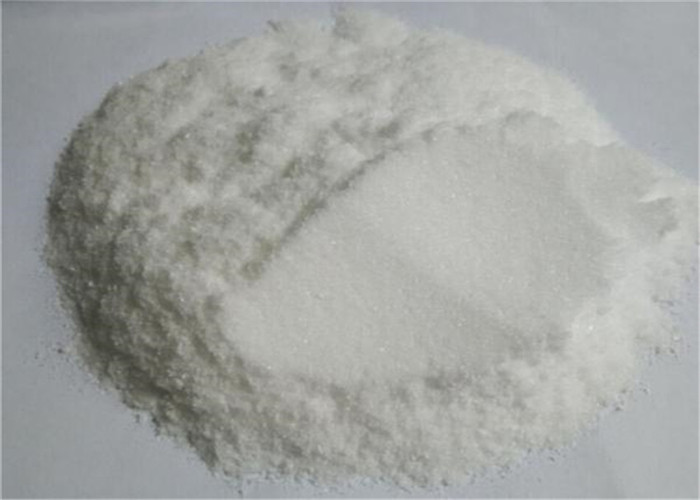
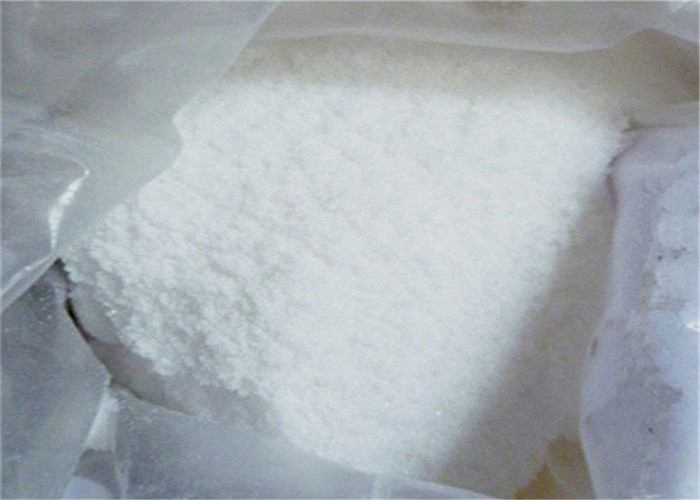
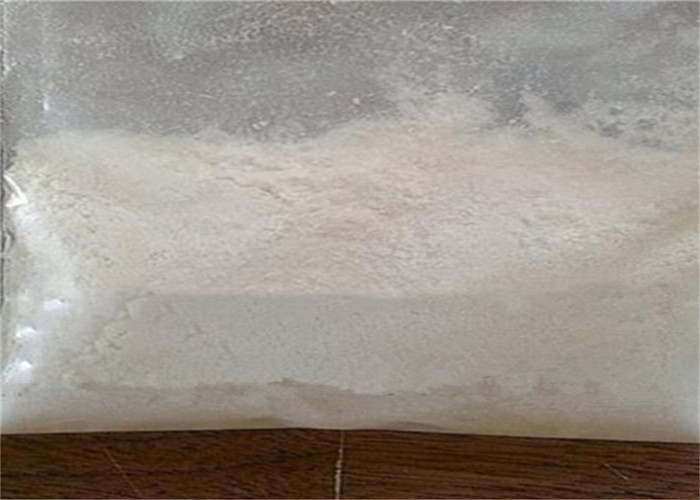
Weißes bis cremefarbenes Pulver |
| Verwendet |
Ein gehirnselektiver Acetylcholinesterase-Hemmer. Nootrop. |
| Verwendet |
Rivastigmintartrat, ein Cholinesterasehemmer mit IC50 von 5.5 μM, Wird als Parasympathomimetikum oder Cholinergikum zur Behandlung der leichten bis mittelschweren Alzheimer-Krankheit eingesetzt. |
| Verwendet |
Nootrop & Alzheimer-Behandlung |
| Definition |
Chebi: Ein Tartratsalz, das durch Reaktion von Rivastigmin mit einem Äquivalent erhalten wird (R,R)-Weinsäure. Ein reversibler Cholinesterasehemmer. |







 Verkaufsleiter